What is baby-led weaning?
Last updated October 7, 2026
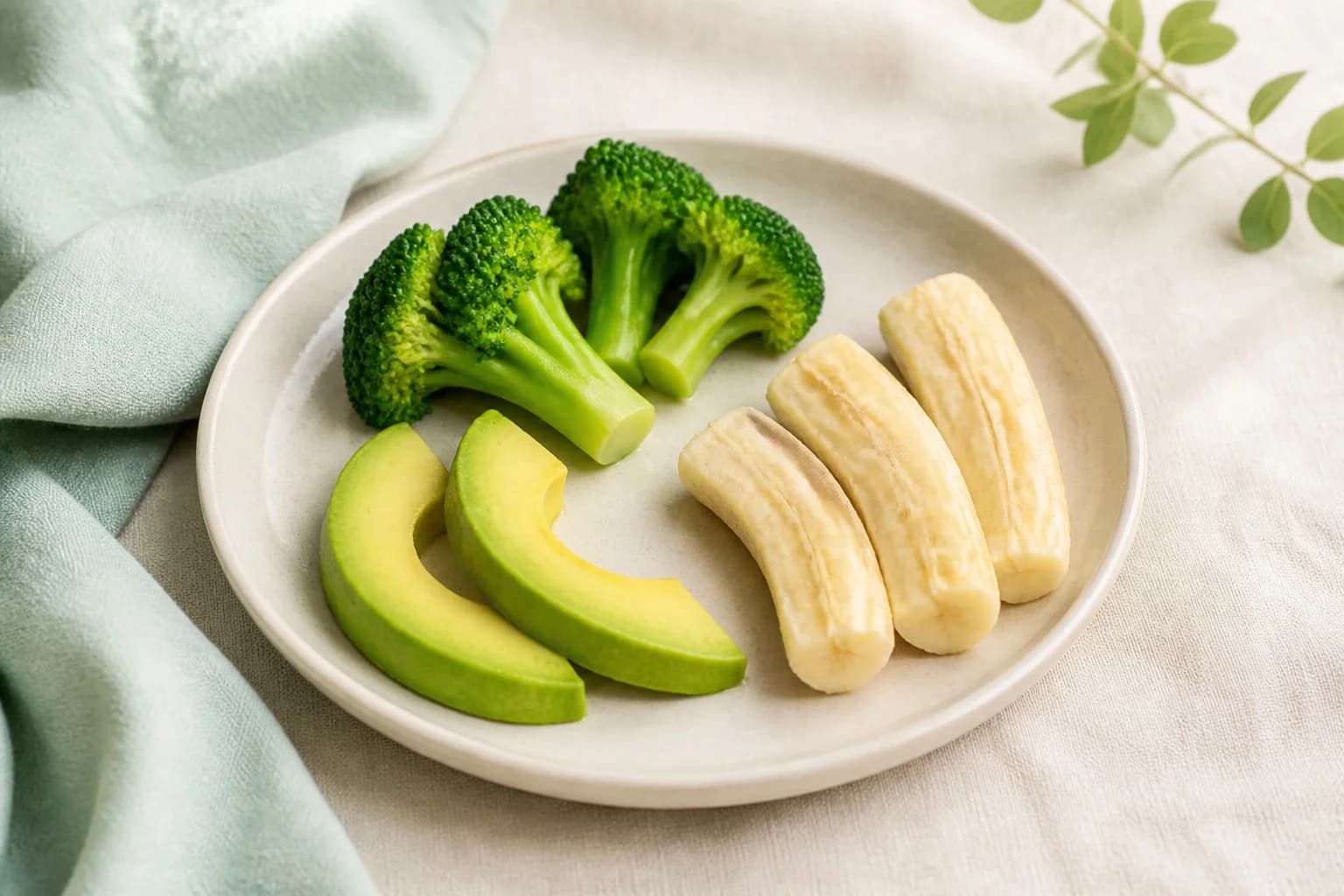
Baby-led weaning means offering finger foods and letting your baby feed themselves from the start, instead of feeding them purée on a spoon. You put soft pieces of food in front of them and let them pick it up, examine it, drop most of it, and eventually eat some of it. It starts at around six months, alongside their usual milk feeds, and it is less a method than a decision about who is holding the food.
When can a baby start?
Around six months. If your baby was born early, the NHS says to ask your health visitor or GP when to start. The NHS lists three signs that a baby is ready:
- they can stay sitting up and hold their head steady
- they can coordinate their eyes, hands and mouth well enough to look at food, pick it up and get it to their mouth themselves
- they can swallow food, rather than pushing it back out
The NHS adds that chewing fists, wanting extra milk feeds and waking in the night are normal baby behaviours, not necessarily a sign that a baby is ready. Starting baby-led weaning covers the signs and the first few weeks in more detail.
How is it different from purées?
The food is the same food. What changes is who does the work.
| Spoon-fed purées | Baby-led weaning | |
|---|---|---|
| Who holds the food | you | the baby |
| Texture at 6 months | smooth | soft, graspable pieces |
| Pace | you decide when the next spoon comes | they decide, and they stop when they stop |
| Mess | manageable | not |
| What you cook | often a separate purée | usually a piece of what you were already cooking, before you add salt |
The last row is the practical appeal: a steamed broccoli floret from your own dinner needs no second pan.
You do not have to pick one. In a survey SACN cites, most parents who said they did baby-led weaning also spooned some food. What the research says about the two methods is in baby-led weaning vs spoon feeding.
What should the first foods be?
The NHS suggests "soft, cooked sticks" of vegetables and fruit such as broccoli, sweet potato, carrot, apple or pear, and says to cut food "into narrow batons" and avoid round shapes and firm foods. Sticks give a baby something to hold.
- Sweet potato
- Broccoli, steamed
- Avocado
- Banana
- Carrot, steamed or simmered; the rule for raw carrot is in the safety guide
Round foods need cutting down, and the NHS writes the rule for small round fruit like this:
Which rules matter first?
One rule has nothing to do with texture or readiness, and that is honey:
The NHS also says babies "do not need salt or sugar added to their food (or cooking water)". The rest of the list (salt, nuts and nut butter, hard raw vegetables, cow's milk as a drink) is in the baby-led weaning safety guide, which also covers gagging and choking and what to do if a baby chokes. Read it before the first meal.
What does it look like at six months?
Small amounts, and most of it on the floor. The NHS says to start with "a small amount of solid food, once a day", and milk is still your baby's main source of nutrition. At six months a baby is learning that food exists, has edges and can be moved. Eating meals comes later.
These are recipes people have tagged for babies and weaning:
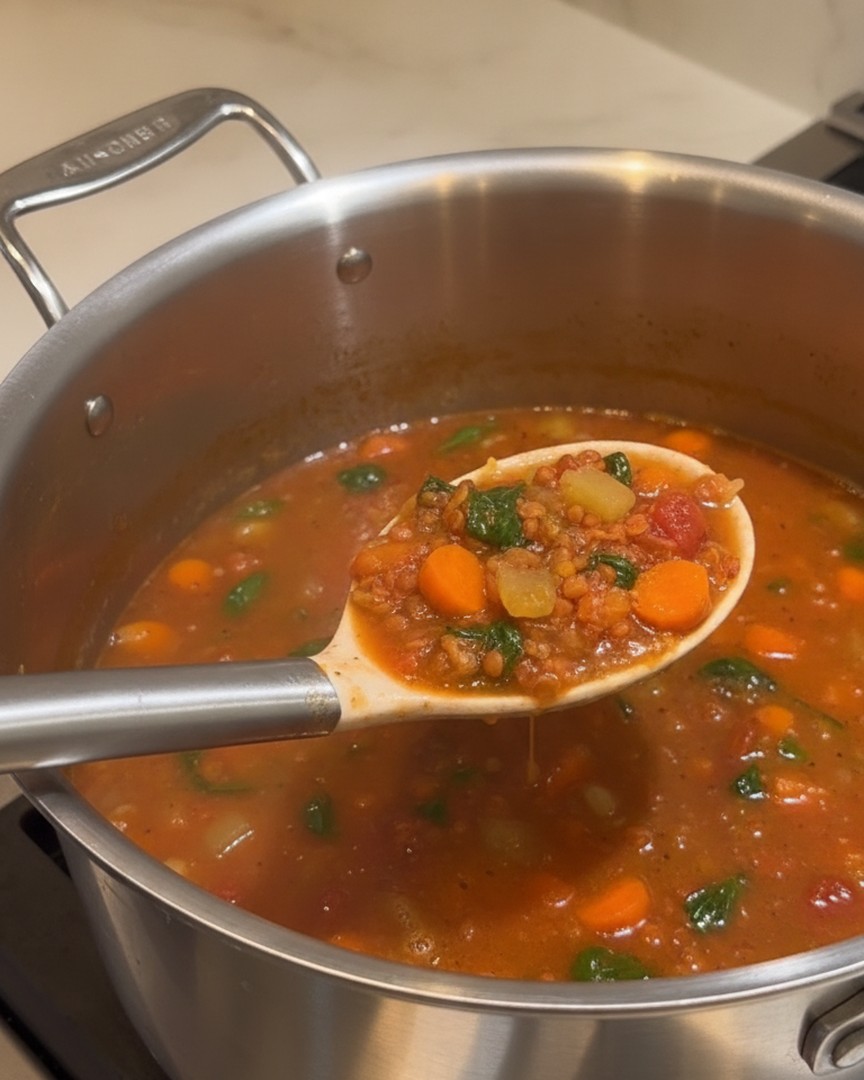
IRON-Dense Baby Soup
Reel · 101beforeone
40 min
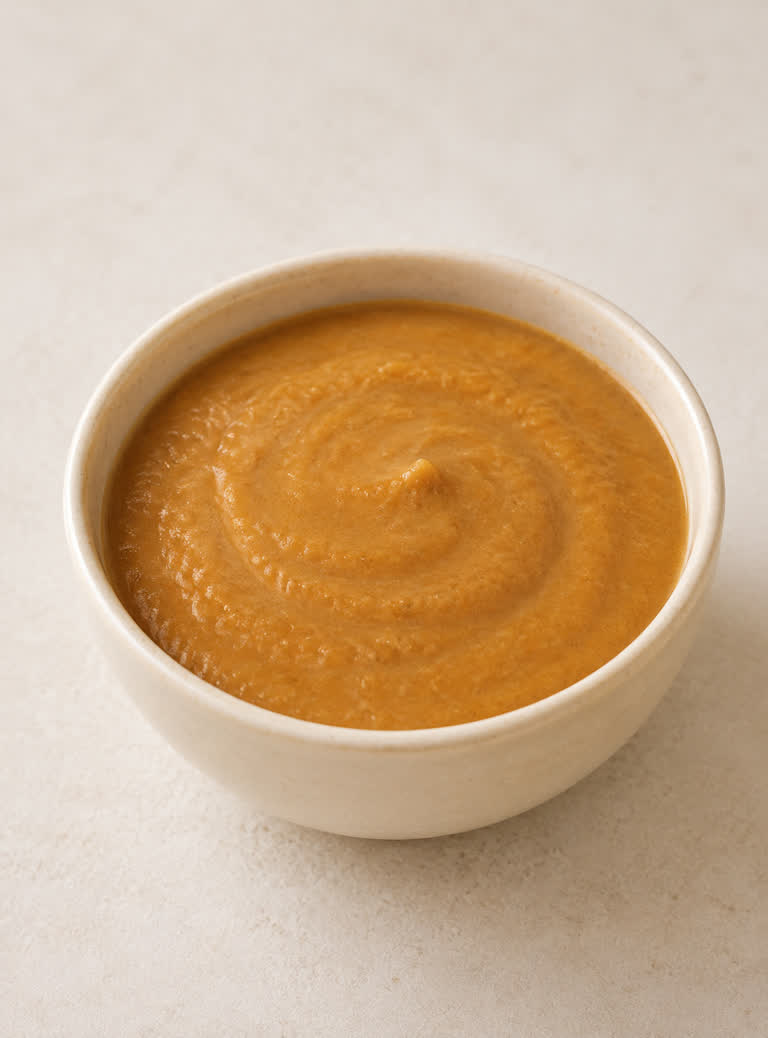
Iron-Rich Beef, Sweet Potato and Lentil Purée for Babies
Reel · thenibblesapp
35 min
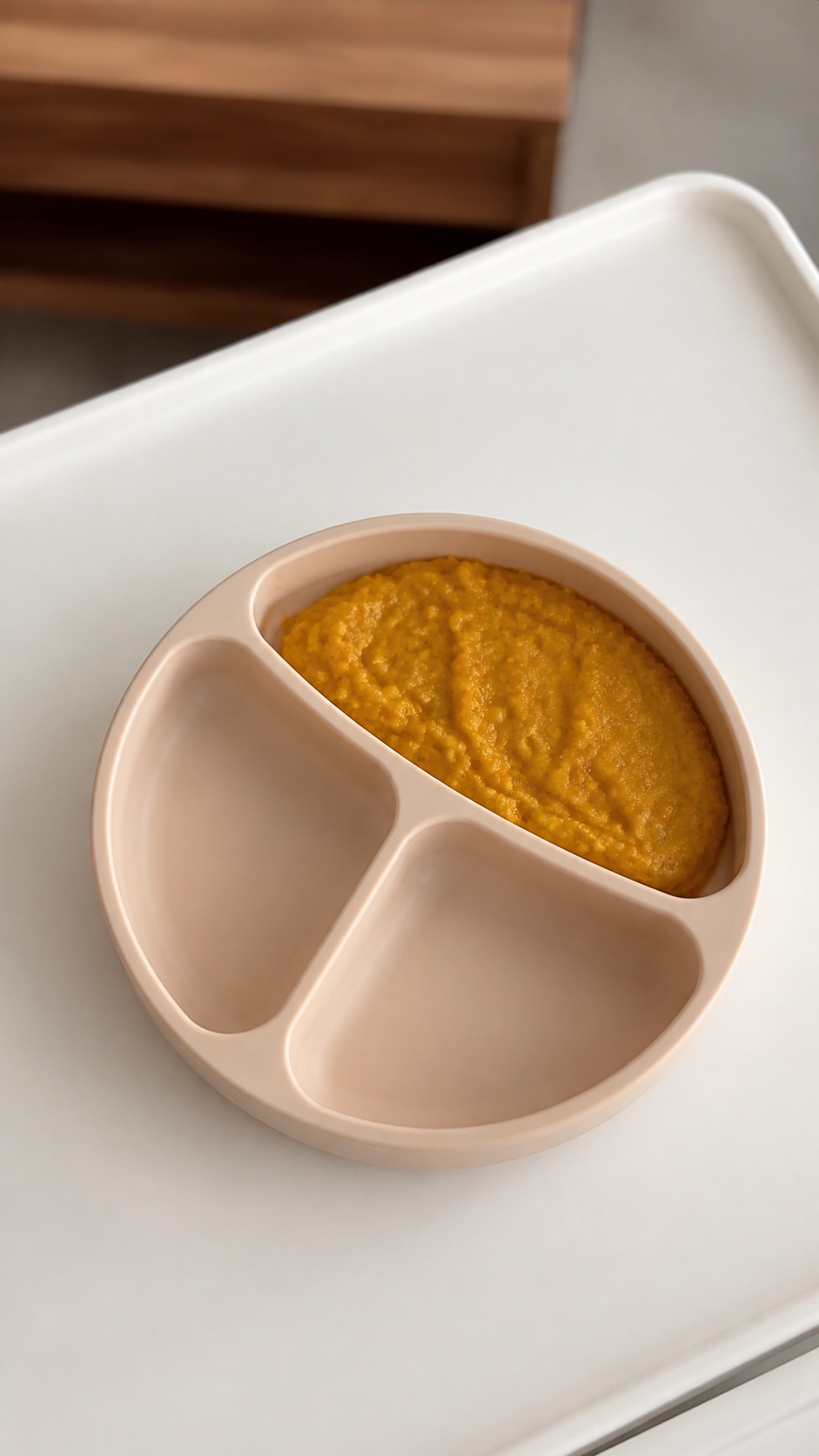
Iron Rich Lentil, Chicken & Broccoli Puree
Reel · softlywanderingwith.hajra
30 min · Serves 5
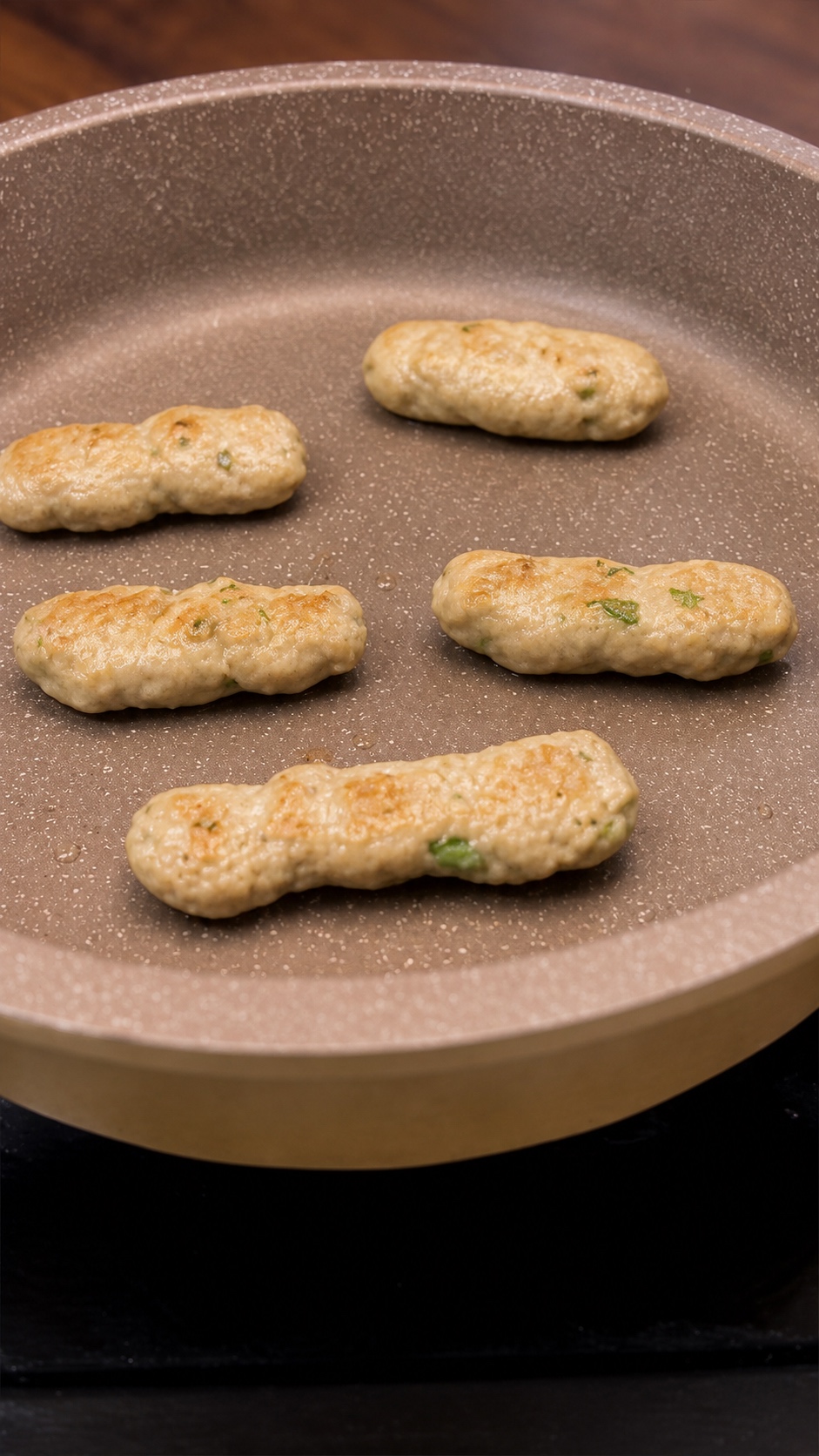
Soft Meat & Potato Sticks for Babies
Reel · purebaby_meals
25 min · Serves 2
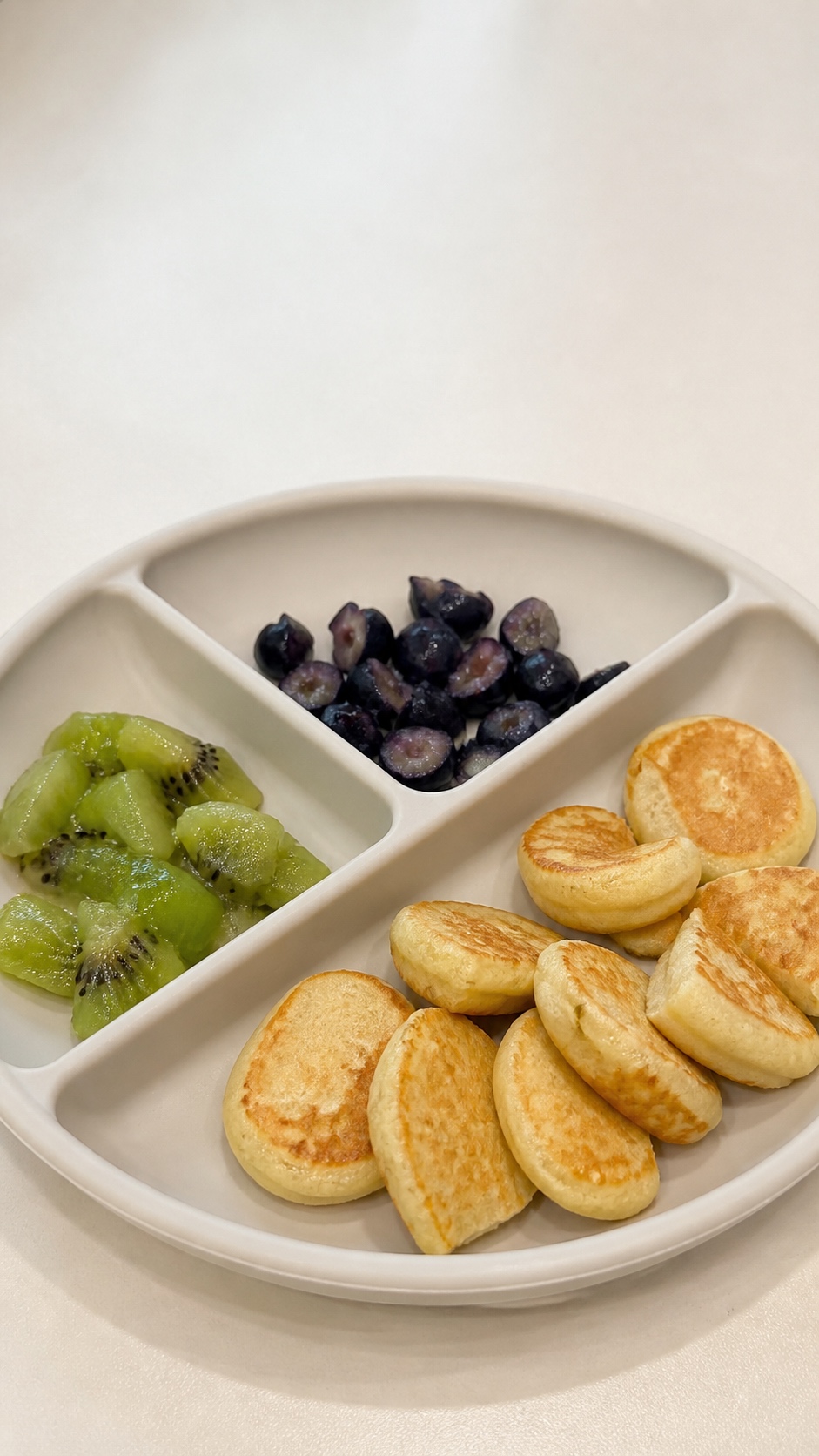
Mini Banana Pancake Bites
Reel · purebaby_meals
15 min · Serves 2
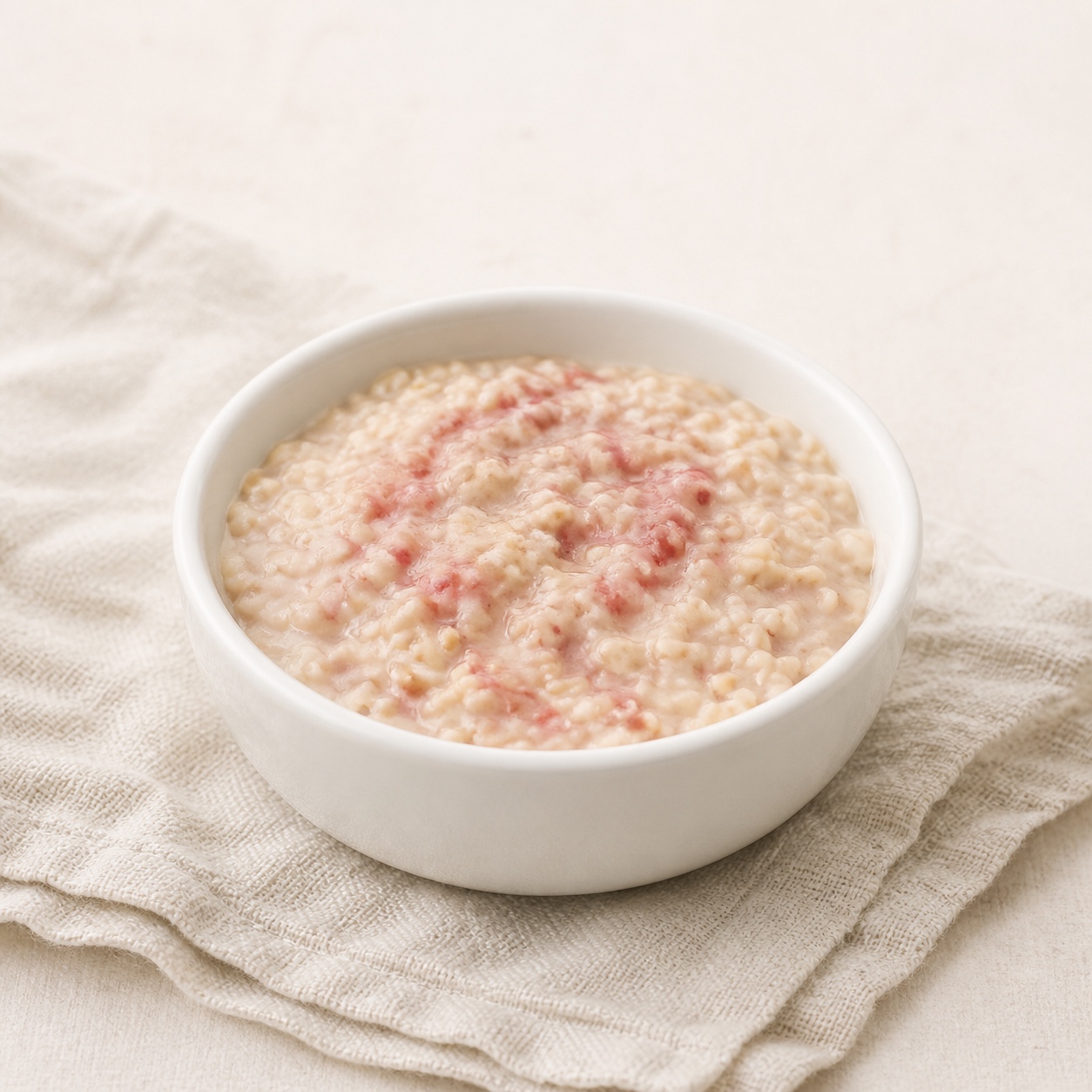
Oatmeal Strawberry Bowl
Reel · purebaby_meals
5 min · Serves 1