When can a baby have honey?
Last updated October 2, 2026
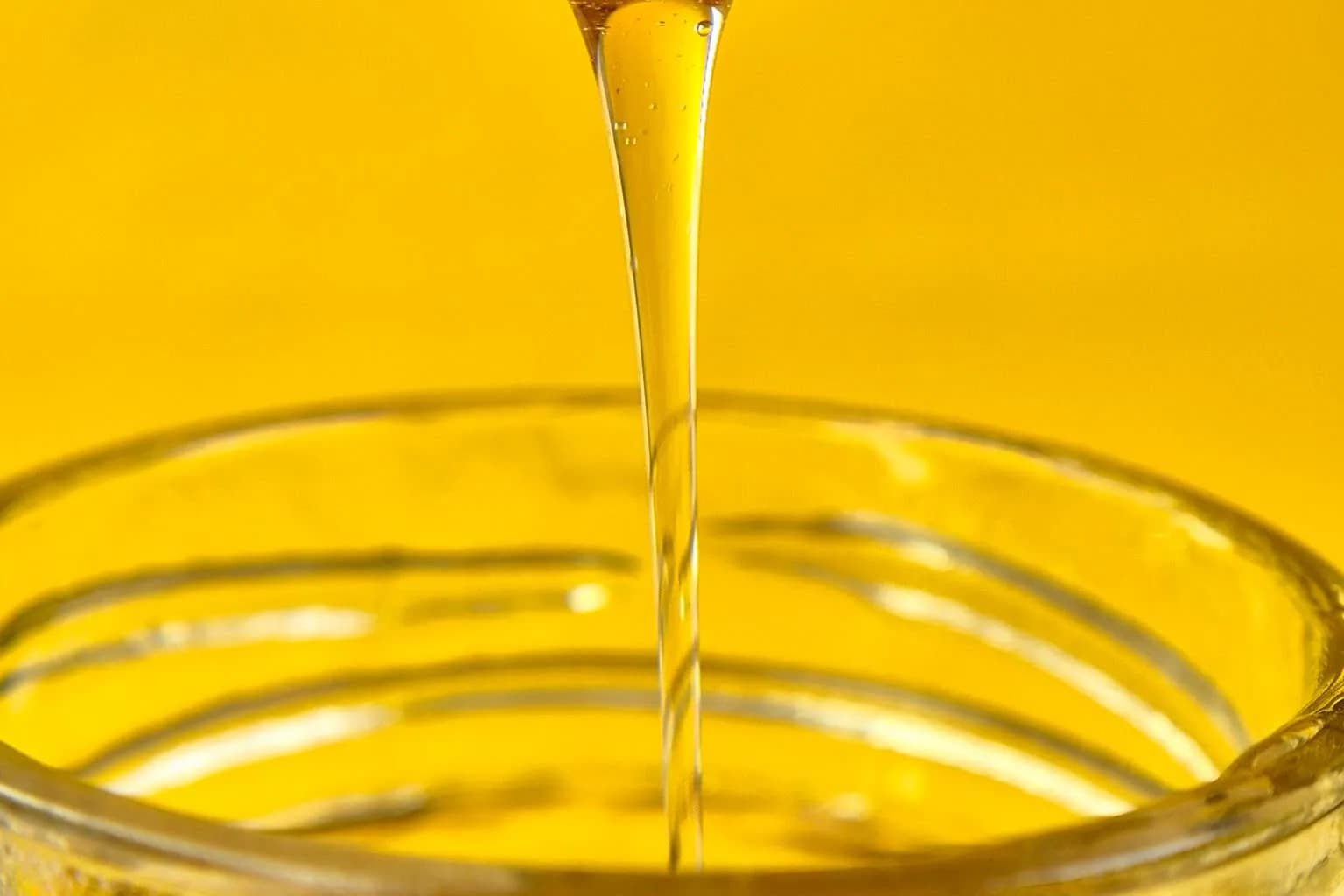
The NHS says "honey should be completely avoided until your baby is 12 months old. It contains bacteria that can lead to infant botulism, which can make your baby seriously unwell." That covers honey stirred or baked into food as well as honey on its own.
Baby already had some? See what to watch for.
Why, and what counts
The reason is infant botulism, not allergy. Honey occasionally contains bacteria that can produce toxins in a baby's intestines, and the NHS calls infant botulism "a very serious illness".
Cooking doesn't change it. The card above puts it this way: "No honey under 12 months — risk of infant botulism. This includes honey baked into food." So flapjacks, cereal bars, bread and glazes made with honey all count.
Check the ingredients list on anything packaged. If honey is on it, the product counts as honey, however far down the list it sits. Honey also turns up in food you did not make yourself, so ask.
If your baby has already had some
The NHS botulism page lists the symptoms to watch for. They include "difficulty feeding", "a weak cry, or crying that sounds different to normal" and "being quieter or less active than usual, or constantly sleepy". The NHS says to call 999 if "your child is limp or floppy".
What to use instead
Babies don't need a sweetener at all. The sugar card says: "Added sugar risks tooth decay and is not needed. Fruit juice counts." If a recipe uses honey to sweeten or bind, mashed ripe banana or pear can stand in.
The NHS age for honey is 12 months, but honey is still a sugar. The NHS says: "For children aged 4 years or younger, avoid giving them food and drink with sweeteners or sugar. This includes the natural sugar found in honey, syrup, fruit juice and smoothies."
If you are still deciding which foods to offer first, what baby-led weaning actually means covers the order.