Loading recipes…
← Browse all ingredients


Chicken Breast
6 recipes use this ingredient
Chicken Breast
| Nutrient | Per 100 g |
|---|---|
| Protein | 27.3 g |
| Iron | 0.9 mg |
| Zinc | 1.3 mg |
| Vitamin B12 | 0.3 µg |
Not a common allergen. It is not on the UK list of 14 foods that must be declared on labels.
How to serve Chicken Breast to babies
6–8 months
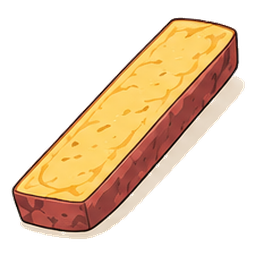
In a strip
Cook until no longer pink inside, then offer as a thick strip your baby can hold and gnaw, or finely minced into a meal. Breast dries out easily — poach it, and check a fork pulls it apart into soft shreds before offering.
9–11 months
Bite-size pieces
Shredded or chopped into small soft pieces once your baby can pick them up.
12–24 months
Bite-size pieces
Chopped, with the family meal.
Per 100 g from CoFID (13-171); USDA FDC (171477). Weaning guidance from NHS. Not medical advice.
Baby & weaning recipes
Recipes
Chicken Meatball Miso Soup
Video
— · Serves 2
chickensoup
Crispy Rice-Paper Chicken Rolls
Video
15 min
chickenair-fryer
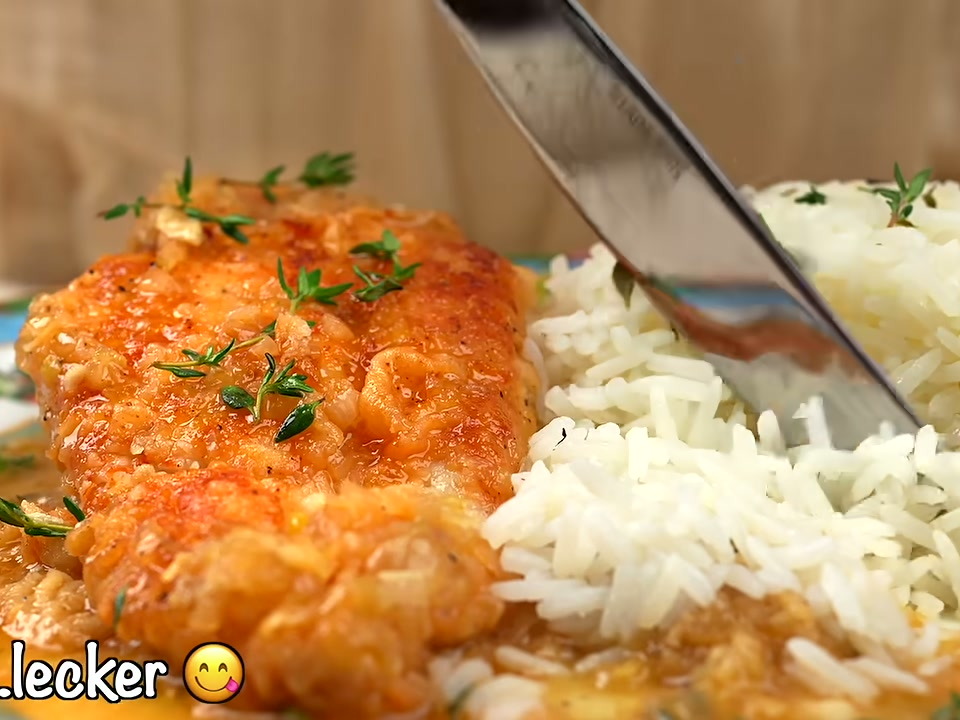
Lemon Thyme Skillet Chicken Breast
Video · @EssenRecipes
30 min · Serves 4
chickenone pan
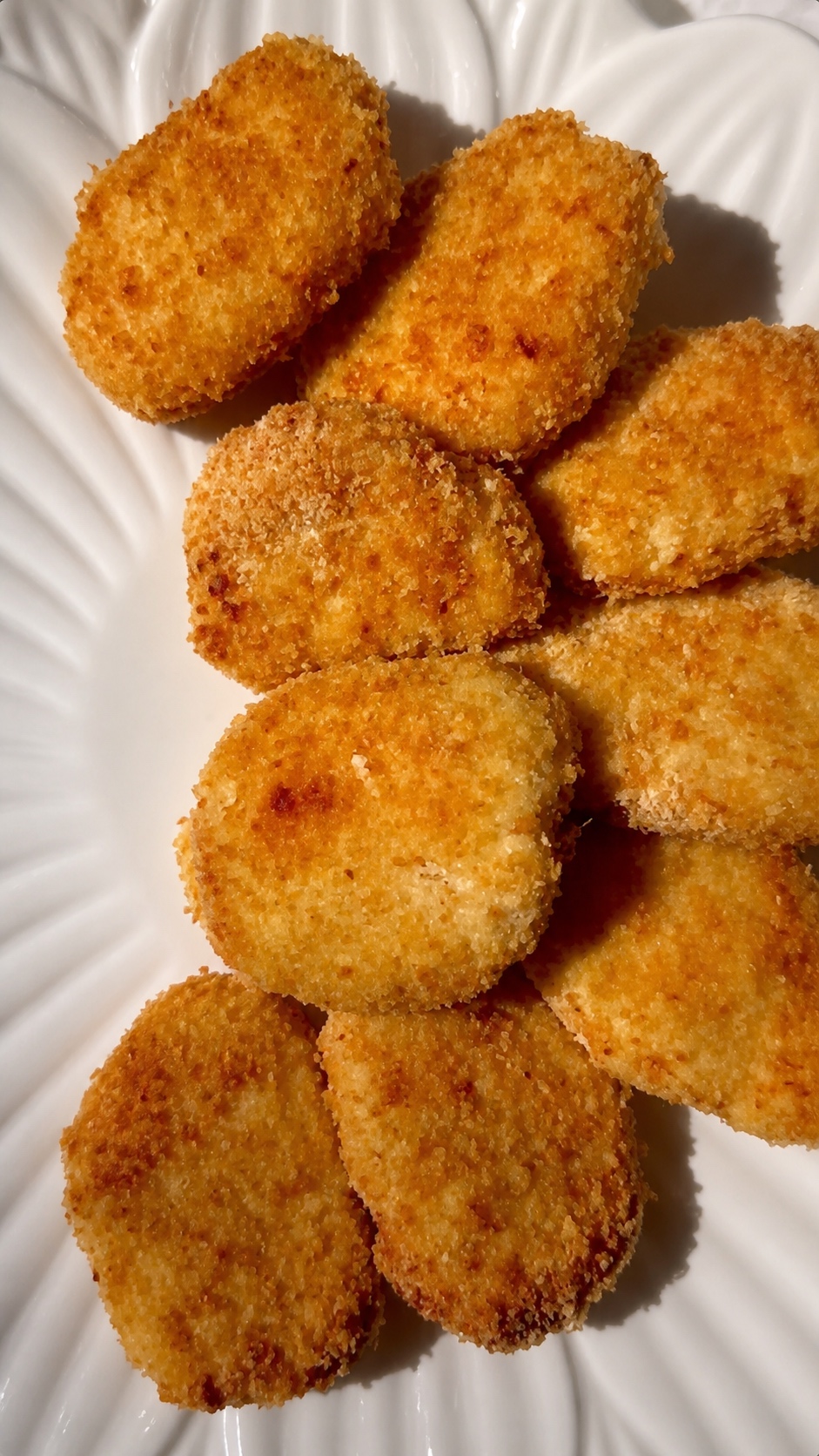
Homemade Chicken Nuggets
Reel · thyme_4_cooking
30 min · Serves 3
kid friendlychicken
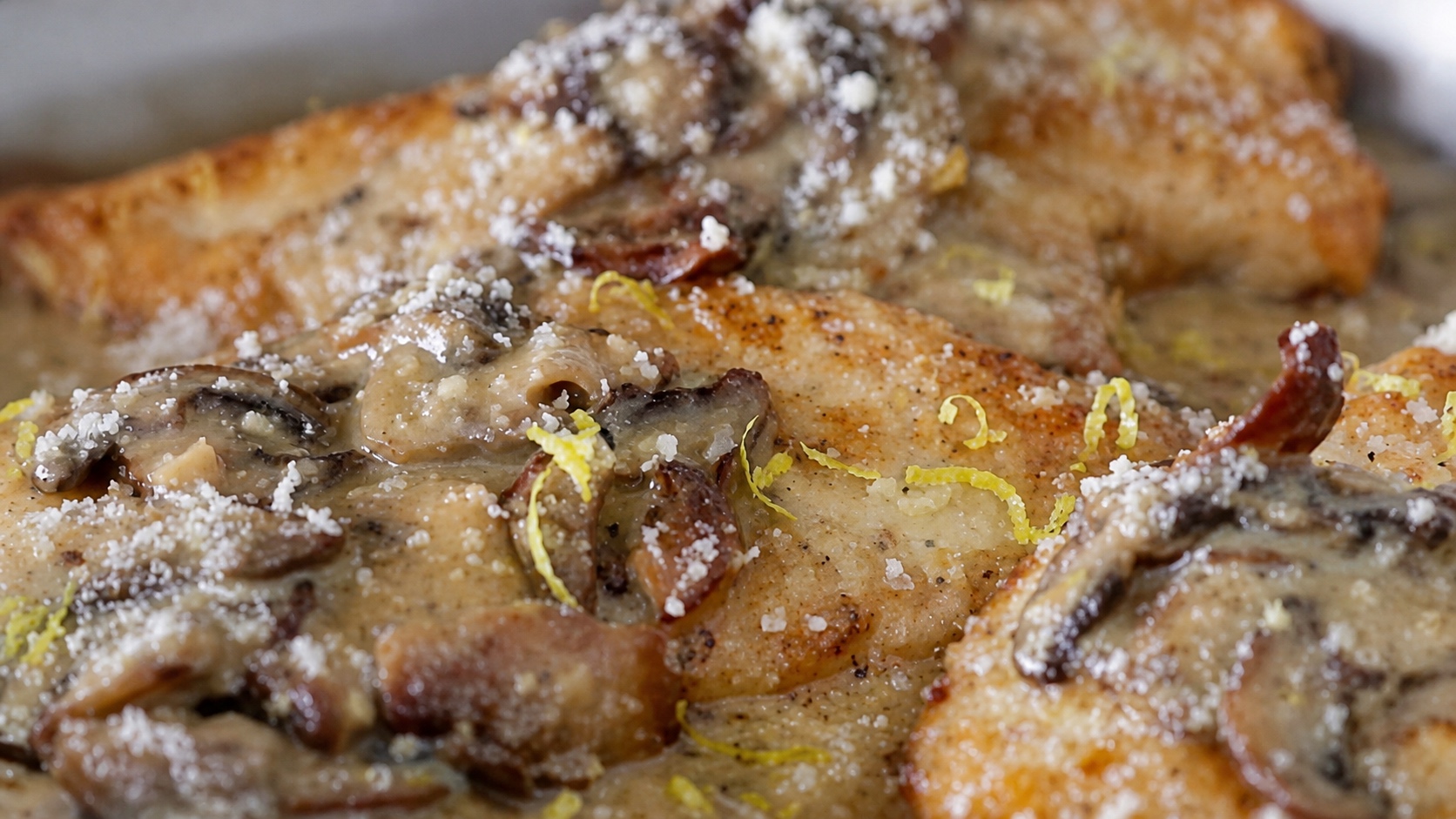
Chicken Scallopini with Mushroom Pan Sauce
Video · Chef Billy Parisi
30 min · Serves 4
italianchicken
Chicken Breast: common questions
Answers are drawn from the sources named on this page. Not medical or veterinary advice.
When can babies eat chicken breast?
The earliest stage on this page is 6–8 months: Cook until no longer pink inside, then offer as a thick strip your baby can hold and gnaw, or finely minced into a meal. Breast dries out easily — poach it, and check a fork pulls it apart into soft shreds before offering.
How do I cut and serve chicken breast for my baby?
6–8 months (In a strip): Cook until no longer pink inside, then offer as a thick strip your baby can hold and gnaw, or finely minced into a meal. Breast dries out easily — poach it, and check a fork pulls it apart into soft shreds before offering.
9–11 months (Bite-size pieces): Shredded or chopped into small soft pieces once your baby can pick them up.
12–24 months (Bite-size pieces): Chopped, with the family meal.