How to start cooking with children
最後更新 2026年10月6日
僅英文
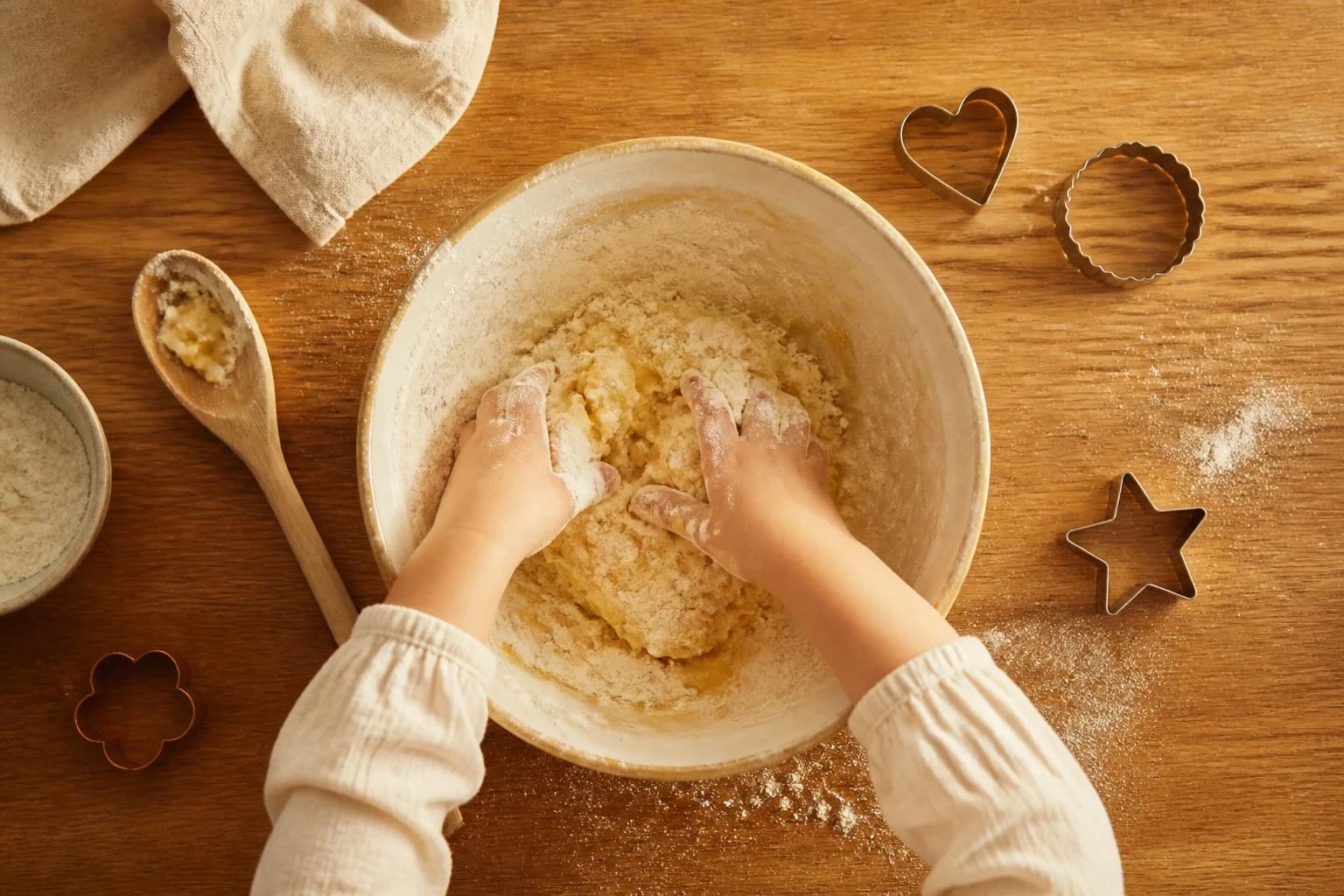
Start cooking with children by giving them one real job in a recipe you already know. Do not hand over the whole kitchen, and do not reduce their part to watching. A bowl to mix, herbs to tear or dough to shape is enough for a first session. Success is completing that job together, not producing a perfect meal.
What should you cook first?
Cook something forgiving that you would be happy to eat even if it is uneven. Avoid a new, complicated recipe where you need all your attention for the method. The first session is easier when the adult already knows what “done” looks like.
Good first jobs include:
- washing fruit or vegetables;
- tearing herbs or salad leaves;
- tipping pre-measured ingredients into a bowl;
- stirring a cool mixture;
- mashing soft food with a fork;
- brushing oil onto vegetables or pastry;
- arranging toppings;
- shaping biscuits, rolls or patties.
Pick one or two. A long list of “helpful” jobs turns into a lesson plan, and dinner still has to happen.
How do you prepare the kitchen?
Prepare the workspace before inviting the child in. Clear a low section of worktop or bring a stable step to the counter. Put out only the bowl, tool and ingredients needed for their job. Move hot drinks, pan handles, knife blocks and appliance cables away from the edge.
Wash hands together at the start. The Department for Education's early-years guidance makes it the first step of any food activity with children. Keep one spoon from travelling between raw chicken, sauce and someone's mouth.
Use a tray under the working bowl if spilled flour or oats will make you tense. The tray catches the mess; your face does not need to.
How much control should a child have?
Give control inside a boundary you have chosen. You decide that tonight's job is pressing the grated potato into the quiche tin; they decide how high the crust climbs the sides. You decide how much dough there is; they decide whether the pieces are round, long or something with no useful name.
Give the smallest help that keeps the job going: explain it, show it once, add a short prompt, point to the next move, and use your hands only when nothing else works. Step back again when the child has the action.
This is different from correcting every movement. If the food will still cook properly, let the result be uneven. Step in for a safety problem, not because your version would be neater.
A useful phrase is: “You do this part; I will do the hot part.” It makes the boundary clear without pretending the hot pan is not interesting.
Which tools should come first?
Start with tools whose mistakes are small and visible. A whisk, wooden spoon, pastry brush, fork, measuring cup and blunt spreader all give immediate feedback. A large bowl is easier than a small one because the ingredients have somewhere to go when stirring becomes enthusiastic.
Knives are not one skill. Spreading soft cheese with a table knife, cutting a banana with a blunt knife and chopping a hard carrot with a cook's knife are completely different tasks. Introduce the action and ingredient together, and stay close enough to stop the movement rather than shouting across the room.
Hot equipment needs a physical boundary. Turn saucepan handles away from the side and move kettles out of children's reach, as Sheffield Children's NHS Foundation Trust advises. Its guidance also says a hot drink can scald a child up to 15 minutes after it is poured, and that you should not drink hot drinks with a baby on your lap or pass them over a baby.
What if they lose interest?
Let the job end. Children do not need to stay for every stage to have taken part. A five-minute job that ends well is a better foundation than insisting they watch onions soften for fifteen minutes.
Tell them what happens next: “The dough rests now; you can come back to shape it,” or “I am putting this in the oven; you can add the topping when it is cool.” That makes leaving a normal part of cooking rather than failure.
Do not use tasting as the price of participation. Cooking can build familiarity with ingredients, but it does not guarantee that a child will eat the finished food. They can smell, touch, stir and serve without being pushed to take a bite.
Which recipes leave room for a child's job?
Choose recipes with several separable stages. Honeyed lemons have weighing, pouring and layering jobs once an adult has sterilised the jar and sliced the lemon. Potato-crust quiche has pressing, whisking and stirring in the fillings, with the grater, hob and oven staying with the adult. A cake roll offers whisking and folding, although the hot tray and final rolling remain adult jobs for a beginner.

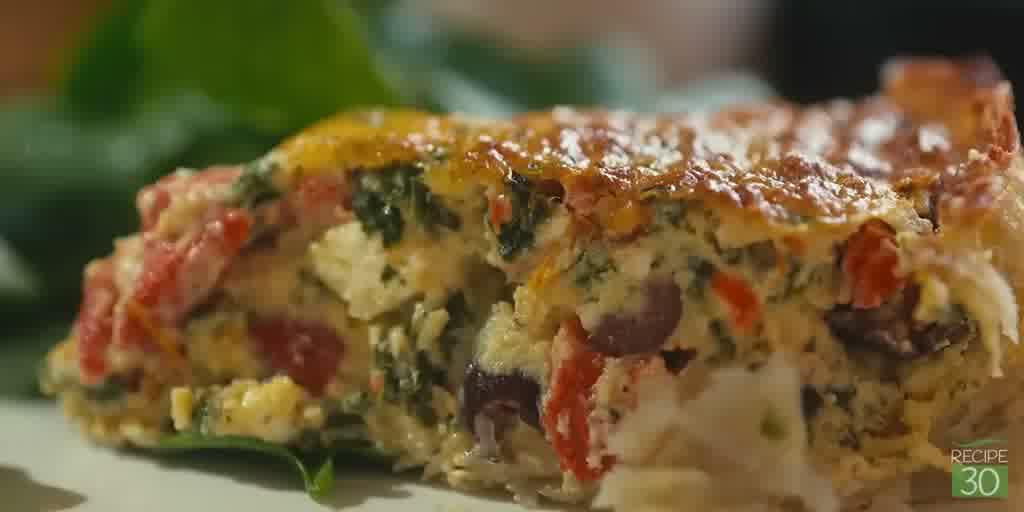

The egg mixture in a quiche or cake is a useful place to teach one habit: wash hands and tools after they touch raw egg, before they touch anything else. The adult remains responsible for checking that the recipe is properly cooked. If you are eating eggs out with children, the runny eggs guide covers the FSA's current advice for young children.
How do you make it a routine?
Repeat the same job before adding a harder one. Someone who has whisked eggs three times understands the bowl, the grip and the amount of force better than someone given a new “educational” task every weekend.
Keep the invitation specific:
- “Will you wash the tomatoes?”
- “Will you tear the herbs while I cook the pasta?”
- “Will you choose and arrange the toppings?”
That is easier to answer than “Do you want to help with dinner?” It also tells you whether there is genuinely a job available.
The goal is not a miniature chef. It is a person who knows that food is made through ordinary actions they can learn: washing, measuring, noticing, waiting, cleaning and trying again.