Can under-fives have runny eggs when eating out?
Last updated October 1, 2026
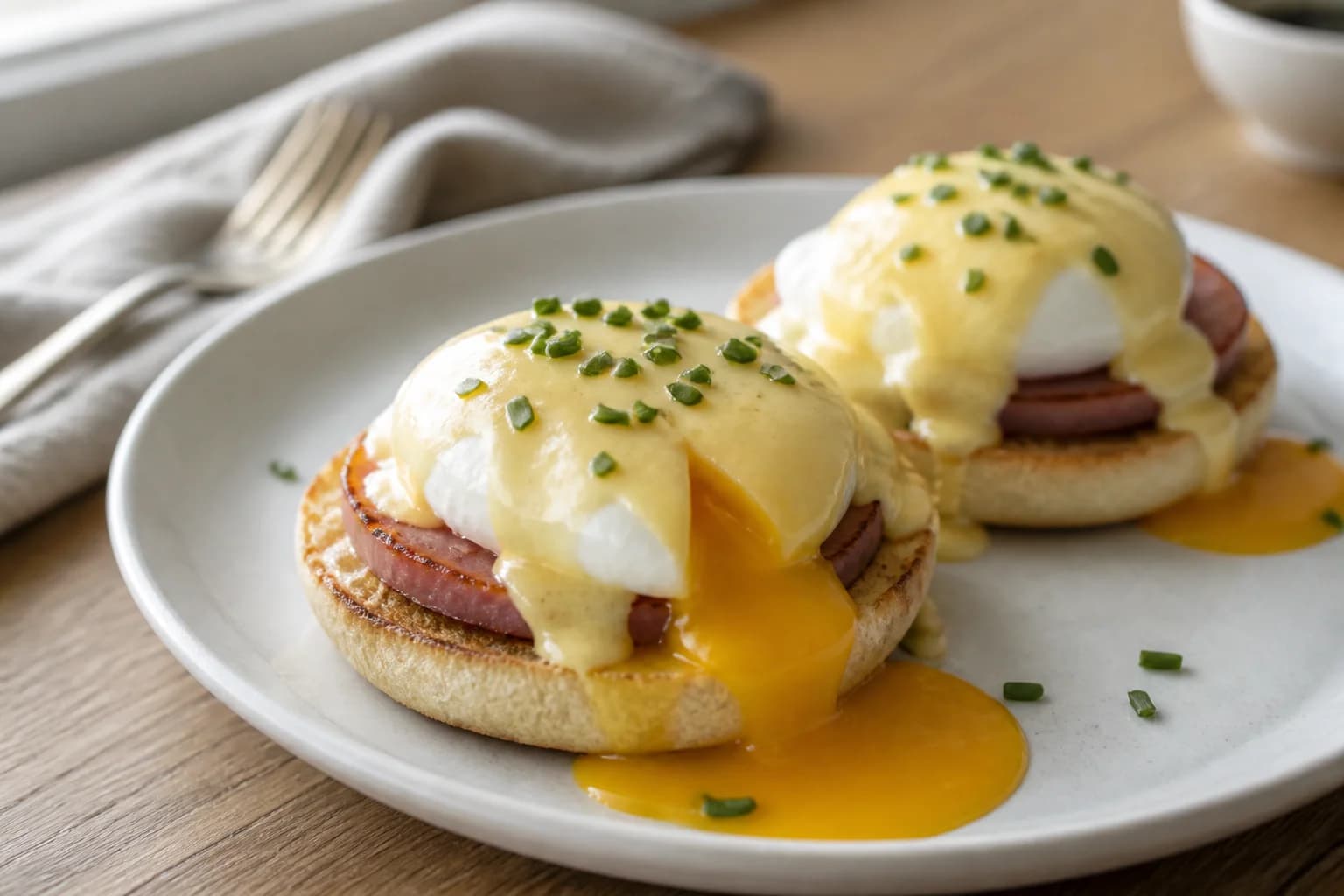
When you are eating out and cannot tell whether the eggs are British Lion or Laid in Britain, the Food Standards Agency (FSA) advises young children to have eggs thoroughly cooked, so no runny yolk. The FSA told the BBC this means the under fives. The same advice covers older people, people who are pregnant and people with an underlying health condition. A plated breakfast does not show you which eggs the kitchen used, so in practice you ask, or order the egg cooked through.
The trigger is an outbreak of Salmonella Enteritidis that the FSA is investigating with the UK Health Security Agency. The FSA says investigations so far have identified potential links to eggs imported from outside the UK, mainly used by food service and catering businesses such as restaurants and cafes. As of 21 August 2026, the BBC reported more than 200 cases in the UK linked to the outbreak and one death.
Should under-fives avoid runny eggs when eating out?
The FSA's written advice is conditional: "If you are uncertain whether the eggs carry the British Lion mark or are Laid in Britain assured - like when you are eating out, young children, older people, and those who are pregnant or have an underlying health condition should ensure any eggs they eat are thoroughly cooked."
The BBC's report of the same advice is more specific. It quotes the FSA naming "the under fives, over 65s, women who are pregnant and those with health conditions", and adds freshly made products that might contain uncooked egg, "such as mayonnaise, souffle and hollandaise sauce". The FSA's chief scientific adviser, Ian Young, told the BBC the outbreak was "unusually large and rapidly increasing", and said young, older, pregnant and vulnerable people eating out should make sure any eggs or egg products "have been very well cooked". Of British eggs he said: "There is no link to those eggs to this current outbreak."
So far, the FSA's potential links are to imported eggs used mainly by restaurants, cafes and other caterers.
Does this change the eggs you buy at the supermarket?
Asked this directly, the FSA says: "Our advice around eating eggs hasn't changed." It adds that there is no evidence that UK-produced eggs are affected, and that the investigation's potential links so far are to imported eggs used mainly by food service and catering businesses.
The FSA's advice hinges on the British Lion mark and the Laid in Britain scheme. Both are printed on the shell or the box, never on a cafe plate. The egg page carries the NHS rule quoted below.
Can a baby have a runny egg at home?
At home you can check the stamp. The NHS says babies can have eggs from around six months. For a liquid yolk, the rule drawn from the NHS children's food safety page reads: "Hens' eggs stamped with the red British Lion mark, or produced under the Laid in Britain scheme, may be given raw or lightly cooked. Other eggs must be cooked until the white and yolk are solid."
If you are still deciding how to start solids, what baby-led weaning actually means is a separate question that this article does not answer.
What about mayonnaise, hollandaise and soufflé?
The BBC's report of the FSA's advice adds freshly made mayonnaise, soufflé and hollandaise for the groups it named, as products that might contain uncooked egg. The FSA's blog post does not list them. A diner cannot tell from the plate whether the egg in a sauce was cooked.
At home, the NHS gives homemade mayonnaise as its example of a raw-egg dish, so the egg rule quoted above applies to it as it does to a runny yolk.
How do you know if a cafe uses British Lion eggs?
You have to ask, because the stamp is on the shell and the box, not on a plated egg. Mark Williams, chief executive of the British Egg Industry Council, told the BBC: "Customers who want to enjoy a runny egg should simply ask whether British Lion eggs are being used." If the answer is vague, or the person taking the order does not know, order the egg thoroughly cooked.
The FSA's post does not say what "thoroughly cooked" looks like. The NHS wording for eggs without the lion mark is "cooked until both the white and yolk are solid", so that is a reasonable standard to ask for: scrambled until set, an omelette cooked through, a fried or poached egg with no liquid yolk. Soldiers dipped into a runny middle are what this advice is about.
Who is most at risk, and what are the symptoms?
The FSA names young children, older people, people who are pregnant, and people with underlying health conditions, for example cancer, diabetes, or liver or kidney disease, as vulnerable groups. It says the advice does not apply to people who are severely immunocompromised and require medically supervised diets.
The FSA says symptoms usually include fever, diarrhoea and abdominal cramps, that most people have them for several days, and that they can be treated at home. Anyone concerned about their symptoms should contact their GP or out-of-hours service.
What to do at the table
If you cannot confirm British Lion or Laid in Britain eggs, ask the staff. If they are vague, order the egg thoroughly cooked for a young child, and for anyone else in the FSA's named groups. The BBC's report of the FSA's advice also named freshly made mayonnaise, hollandaise and soufflé for those groups. At home, check the stamp on the shell before you serve a runny yolk.
Sources
- Food Standards Agency: can you get salmonella from eggs? (21 August 2026)
- BBC News: under-fives and pregnant women told to avoid runny eggs when eating out
- NHS: foods to avoid giving babies and young children
- NHS: children's food safety and hygiene
- NHS Start for Life: weaning
- Food Standards Agency: salmonella