Firm or silken tofu: which should you use?
Last updated October 5, 2026
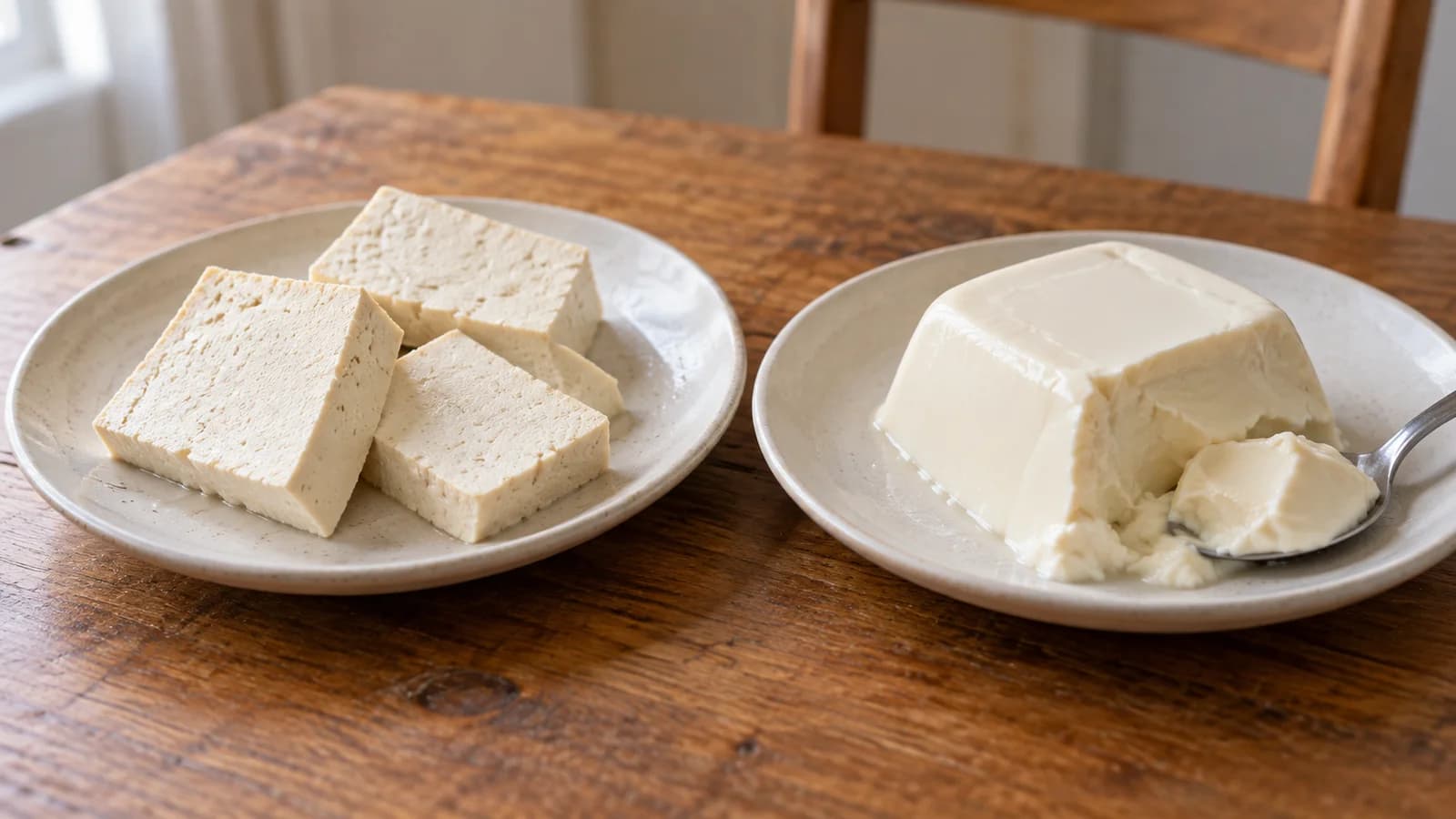
You have a packet of tofu and a recipe that seems to mean a different kind. Use firm block tofu for anything you will coat, fry or turn in a pan, and silken or soft tofu where it goes into a soup or is blended. Read the style on the packet as well as the firmness word: silken tofu is also sold as firm and extra-firm. If the recipe names a product, use that one.
Are firm and silken opposite ends of one scale?
No. They are two styles, and each comes in grades of firmness. Firm block tofu is drained, then sliced or cubed; The Woks of Life calls it soft enough for soups and steaming but firm enough to pan-fry or stir-fry without falling apart. Silken tofu is smooth and almost custard-like, is not drained or pressed after the soy milk sets, and has to be handled delicately. Brands vary, so some silken tofu is more fragile than some sold as "soft", and a "soft" label alone won't tell you which style you have.
Mori-Nu's Silken Extra Firm shows why the word "firm" is not enough. The maker sells it for grilling, stir-frying and sautéing, and it is still silken. Follow the packet's directions for that product rather than assuming every silken block behaves the same way.
Which type suits the method you have planned?
Decide how the tofu will be handled, then let the recipe narrow the type.
| Planned method | Desired texture | Starting choice | Preparation to check |
|---|---|---|---|
| Coat, fry and toss | Pieces that stay distinct | Regular firm | Drain, then dry thoroughly; follow the recipe's own steps |
| Pan-fry, then simmer in sauce | Slices you can turn | Regular firm | Pat or press dry so it browns rather than steams |
| Steam a whole block | A soft centre under a topping | The boxed block the recipe uses | Turn the box out onto a plate; the radish recipe snips the box corners to free it |
| Add to soup | Tender pieces | Soft or silken, as specified | Add to hot stock, then keep it at a gentle simmer |
| Blend into a sauce | Smooth | Silken, as the recipe calls for | Blend as written; the noodle-sauce recipe lists no draining step |
These are starting points. The Woks of Life says firm tofu goes into soups and steamed dishes too, and Mori-Nu sells a silken tofu for the pan. When a recipe names a particular product, keep that product and its method together.
Should you press tofu before cooking?
Only if the recipe says so. Draining the packet, patting the surface dry and pressing with weight are three different preparations, and recipes ask for different ones.
Mori-Nu's tofu steak recipe uses firm silken tofu, drains it wrapped in paper towel, says "Do NOT press", and then sears the slices. So silken tofu can be pan-fried, as long as you handle it the way that recipe does.
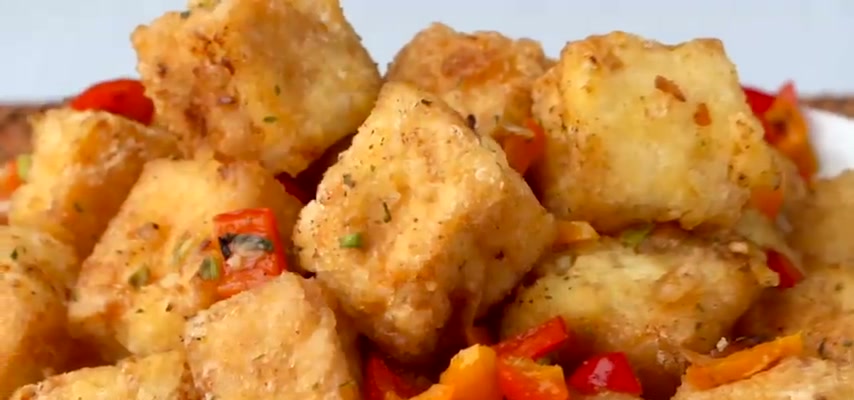
Block tofu has more than one route to a crisp or browned finish. The salt-and-pepper recipe below boils the cubes in salted water for 2 to 3 minutes, simmers them 2 more, then presses them dry between paper towels before coating; step 4 adds that the drier the tofu, the crisper it fries. The Korean braise says to pat the slices dry, and its notes add that pressing dry helps the tofu brown rather than steam. So take the preparation from the recipe in front of you, not from another one.
What do these three recipes ask for?
| Recipe | What it asks for | How to choose |
|---|---|---|
| Salt & Pepper Tofu | Firm tofu in 1 inch cubes; boil, dry, coat in egg and cornstarch, then deep-fry in about 16 fl oz of oil | Firm tofu, and be ready to deep-fry |
| Korean Braised Tofu | Tofu in thick slices, patted dry, salted lightly and pan-fried until golden; sauce spooned over, then 1/4 cup water, simmered until the sauce reduces | Regular firm is this guide's pick for the turning and frying; the recipe does not name a firmness |
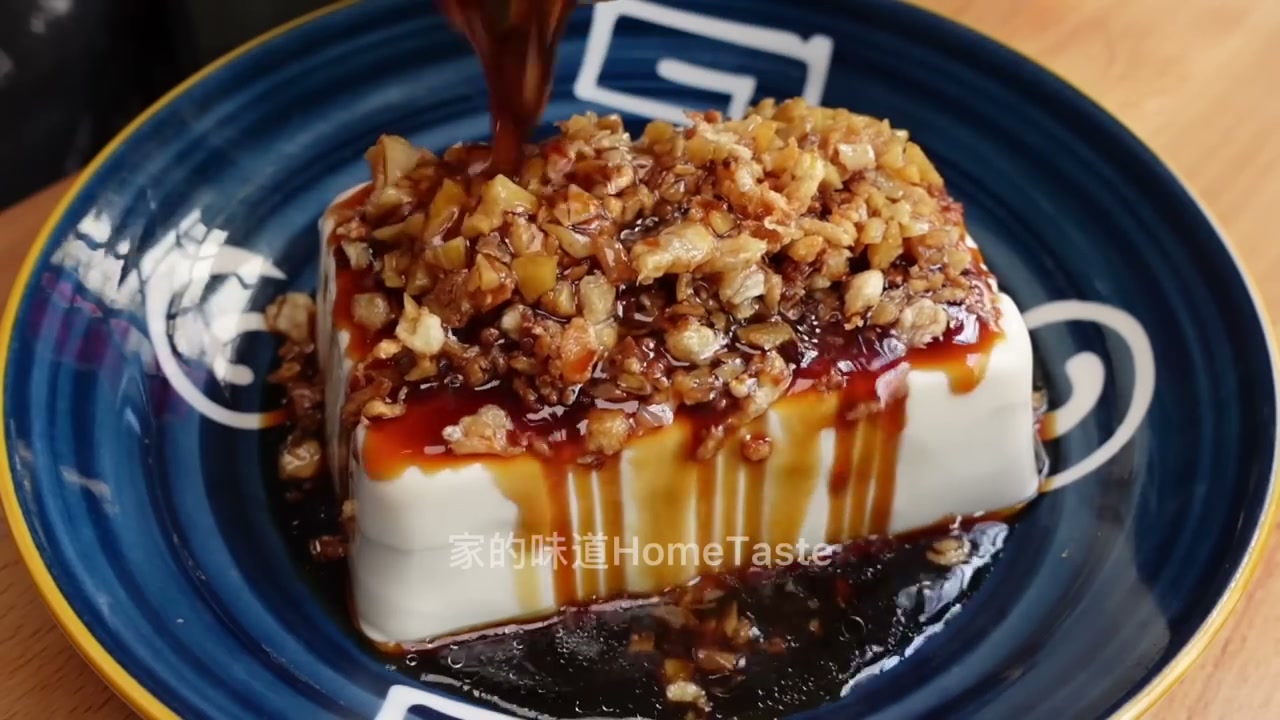
| Steamed Tofu with Preserved Radish | One block of boxed tofu, steamed whole for 5 minutes, then topped with fried preserved radish and a soy-sugar sauce | The recipe doesn't name a firmness. The Woks of Life says firm tofu is soft enough for steaming, so start there |
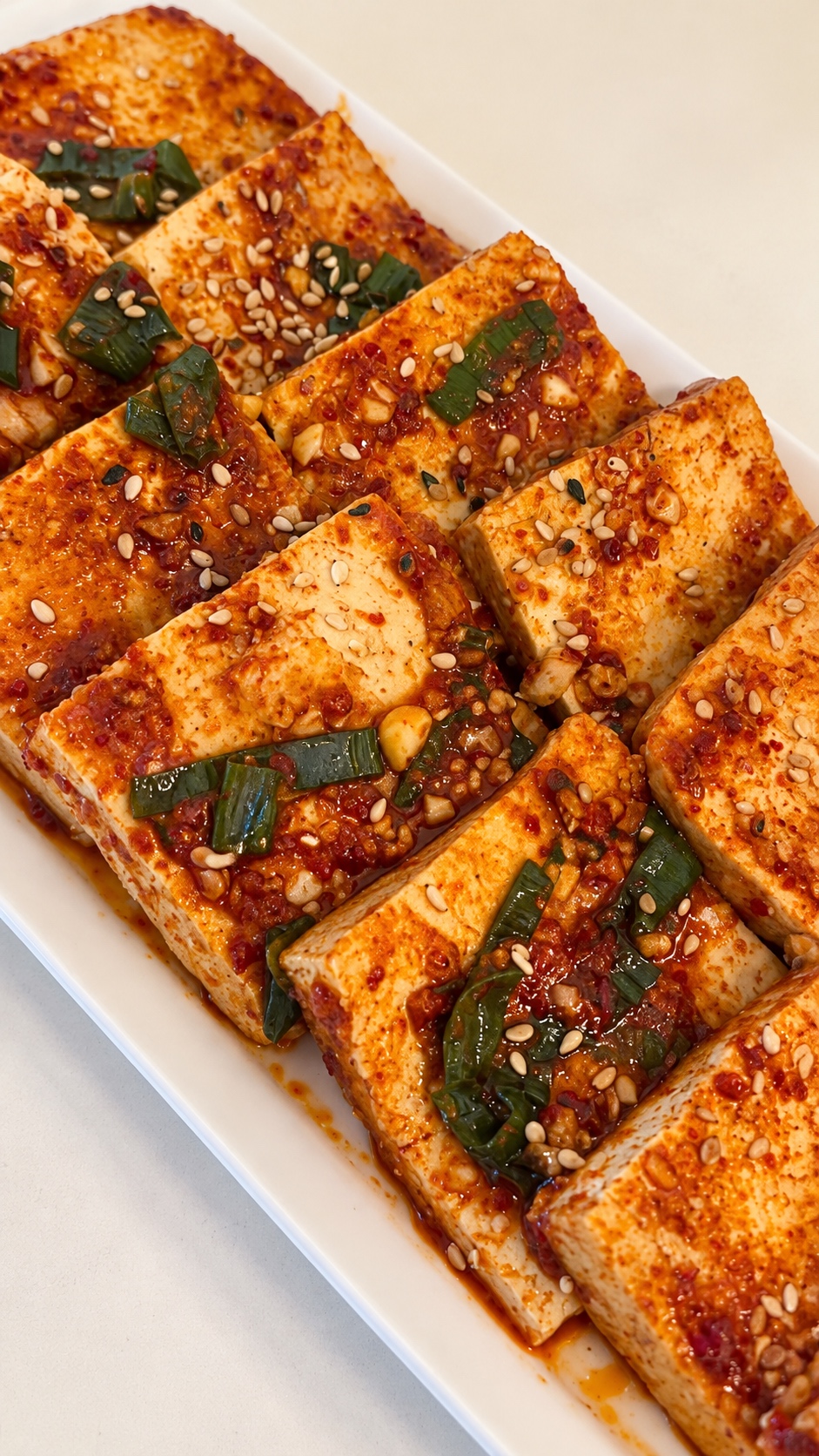
For the braise, stir the soy sauce, garlic, gochugaru, mirin, sugar, sesame oil and green onion together before you start frying, then add the sauce once the tofu is golden. If the pan ends up wetter than you wanted, the stir-fry troubleshooting guide helps you find which stage added the liquid.
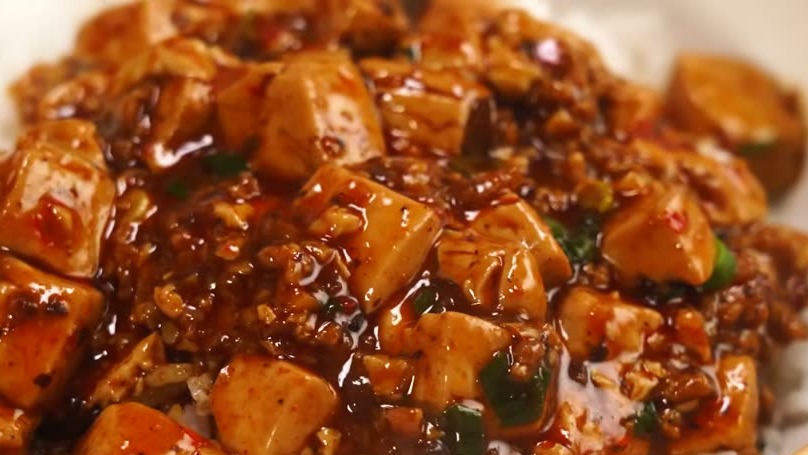
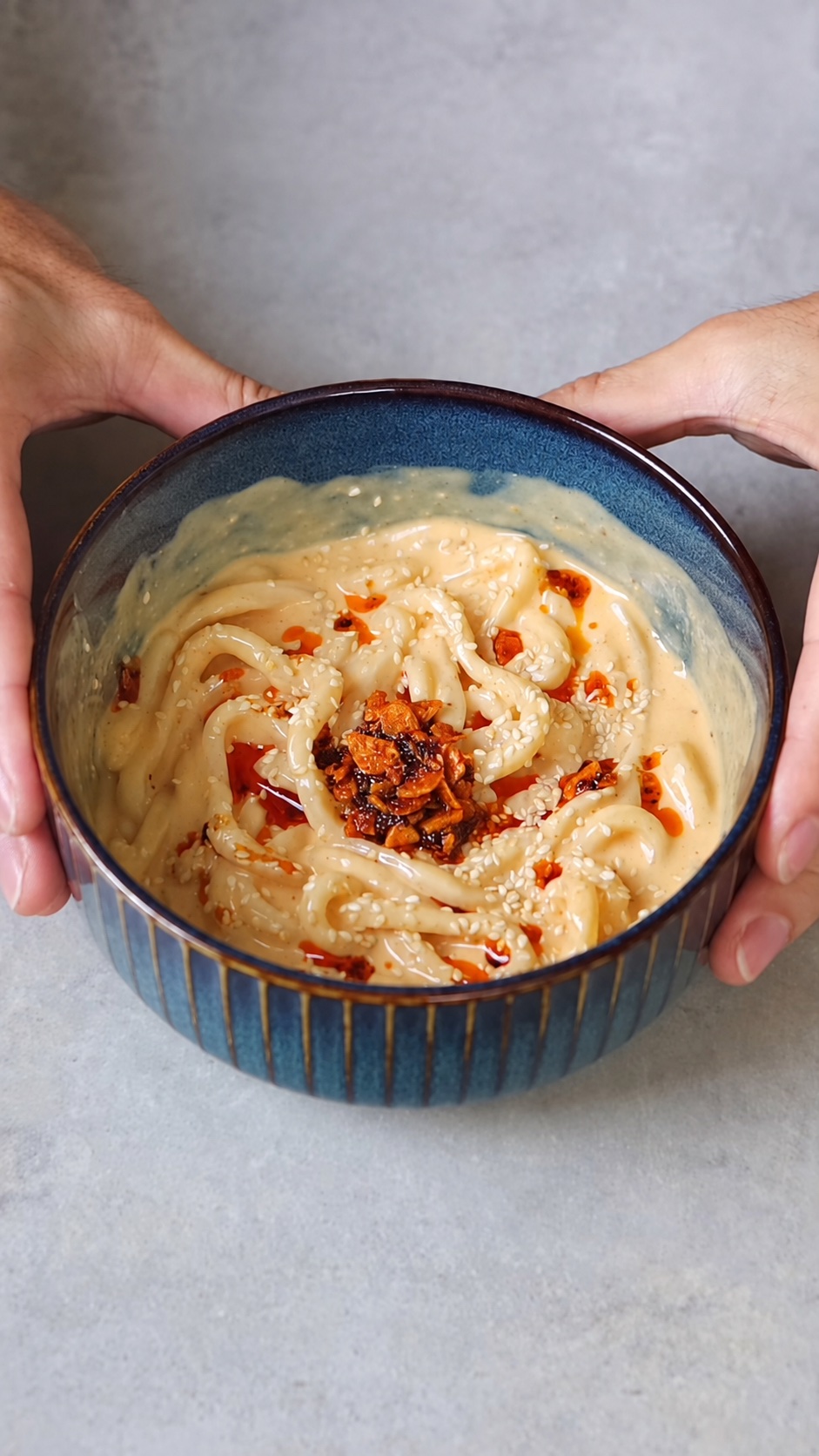
Silken tofu has its own recipes here. Mapo Tofu cuts it into 1.5 cm cubes, simmers them about 3 minutes in salted water with dark soy, then adds them gently to the sauce, where they simmer about 10 minutes more; a little breakage is normal, the notes say. Spicy Tofu Sauce Noodles blends it with chilli sauce, garlic and water into the noodle sauce, and Chicken Meatball Miso Soup adds a quarter block of silken tofu to the hot stock with the mushrooms, brings it back to the boil, then drops to a gentle simmer.

Can you swap the tofu you already have?
Find the step that asks the most of the tofu and choose for that.
- Does the recipe name a style or product? Use that.
- Does it coat, toss or turn the tofu repeatedly? Use firm block tofu. With silken, look for a recipe written for it, such as the steak method above.
- Does it keep a block whole under a topping? Use the tofu it names, or regular firm if it names none.
- Does it give you a choice? The Tofu Wakame Salad says firm or silken, and to drain the tofu first if you want a firmer, less watery salad.
In the salt-and-pepper dish, a delicate block would need a different method, because the boil, dry and coat sequence is written for a block that holds together.