Loading recipes…
← Browse all ingredients
Pear
Fresh pears — especially Asian varieties — used in autumn soups and steamed desserts.
Pear
| Nutrient | Per 100 g |
|---|---|
| Fibre | 3.1 g |
| Vitamin C | 4.3 mg |
| Potassium | 116 mg |
Not a common allergen. It is not on the UK list of 14 foods that must be declared on labels.
How to serve Pear to babies
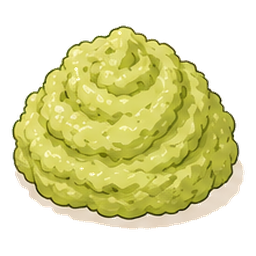
6–8 months
Mashed
Ripe and soft, mashed or in soft wedges. Cook a hard pear first.
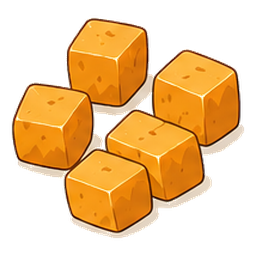
9–11 months
Bite-size pieces
Soft ripe pieces.
12–24 months
Bite-size pieces
Soft slices with the family meal.
Watch out for
- Prepare it rightunder 36 months
Hard raw fruit and vegetables are a choking risk. Grate, mash, steam or simmer them, or cut into slices rather than small chunks.
NHS Best Start in Life: preparing food safely for babies
Per 100 g from CoFID (13-431). Weaning guidance from NHS. Not medical advice.
TCM benefits of Pear
梨 · lí
How pear is seen in traditional Chinese food therapy. Traditional context, not medical advice.
- The Compendium of Materia Medica describes pear as sweet, a little sour and cold, and harmless.
- Autumn pear paste (秋梨膏) is a seasonal syrup boiled down from pears. Stewing, juicing and eating raw are the other traditional routes.
- In sweet soups pear sits beside lily bulb and white fungus, a combination you meet in Cantonese dessert shops in dry weather.
- The old warning is that too much pear makes people thin and weak and brings loose stools, so it is traditionally eaten in moderation.
Sources: A review of pears (Pyrus spp.), ancient functional food for modern times (PMC); 本草綱目 (Compendium of Materia Medica), 梨 entry
Pear: common questions
Answers are drawn from the sources named on this page. Not medical or veterinary advice.
When can babies eat pear?
The earliest stage on this page is 6–8 months: Ripe and soft, mashed or in soft wedges. Cook a hard pear first.
How do I cut and serve pear for my baby?
6–8 months (Mashed): Ripe and soft, mashed or in soft wedges. Cook a hard pear first.
9–11 months (Bite-size pieces): Soft ripe pieces.
12–24 months (Bite-size pieces): Soft slices with the family meal.
Is pear a choking hazard for babies?
Hard raw fruit and vegetables are a choking risk. Grate, mash, steam or simmer them, or cut into slices rather than small chunks. Source: NHS Best Start in Life: preparing food safely for babies.