How to cook with tomato paste
Last updated October 7, 2026
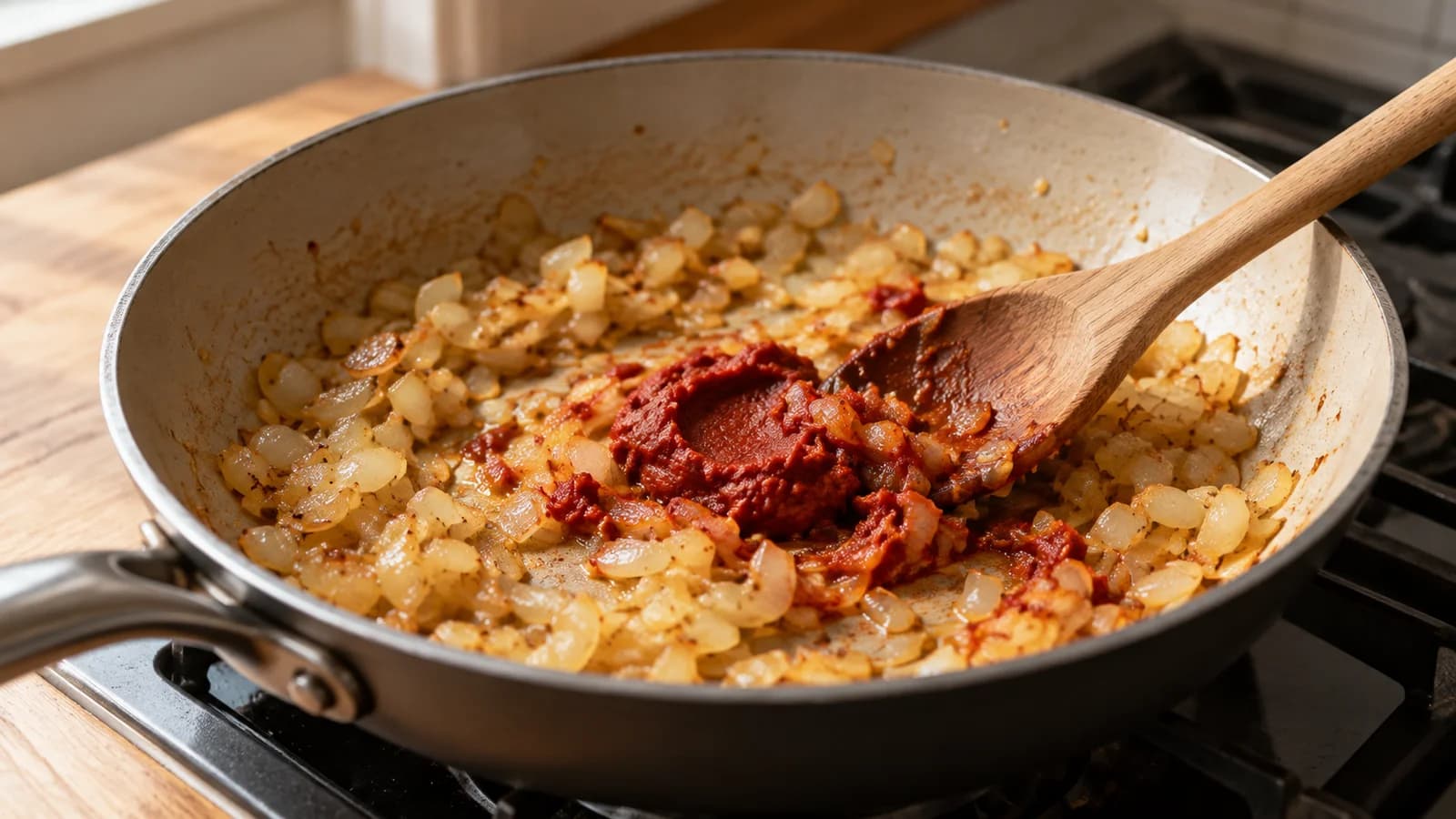
Look at what is already in the pan. If it holds softened onion or other aromatics in fat and the liquid is still to come, cook the paste there until it darkens slightly, then add the liquid. If the pan already holds a wet tomato sauce, stir the paste through it. Use the recipe's amount; the sections below cover what to do when it does not give one.
What to look for on the label
Look for a thick, concentrated product; the pack may call it double or triple concentrate. A pourable tomato product does a different job in the pan. Tomato paste is the thick one.
Names get in the way. In the UK, tomato purée sold in a tube is what US recipes call tomato paste, according to Kind Earth's passata explainer, which adds that US tomato purée is a thinner product closer to passata. Mutti sells a double concentrate paste and, as a separate product, a Passata Tomato Puree. Check the pack for texture rather than going by the word. A spoonful of paste and a spoonful of passata are not interchangeable.
Where the paste goes
The pan decides. Onion, spices or meat already sizzling in fat? The paste goes in there, before any liquid. A wet sauce already simmering? Stir it in.
| What is in the pan? | What to do with the paste | Recipe showing the route |
|---|---|---|
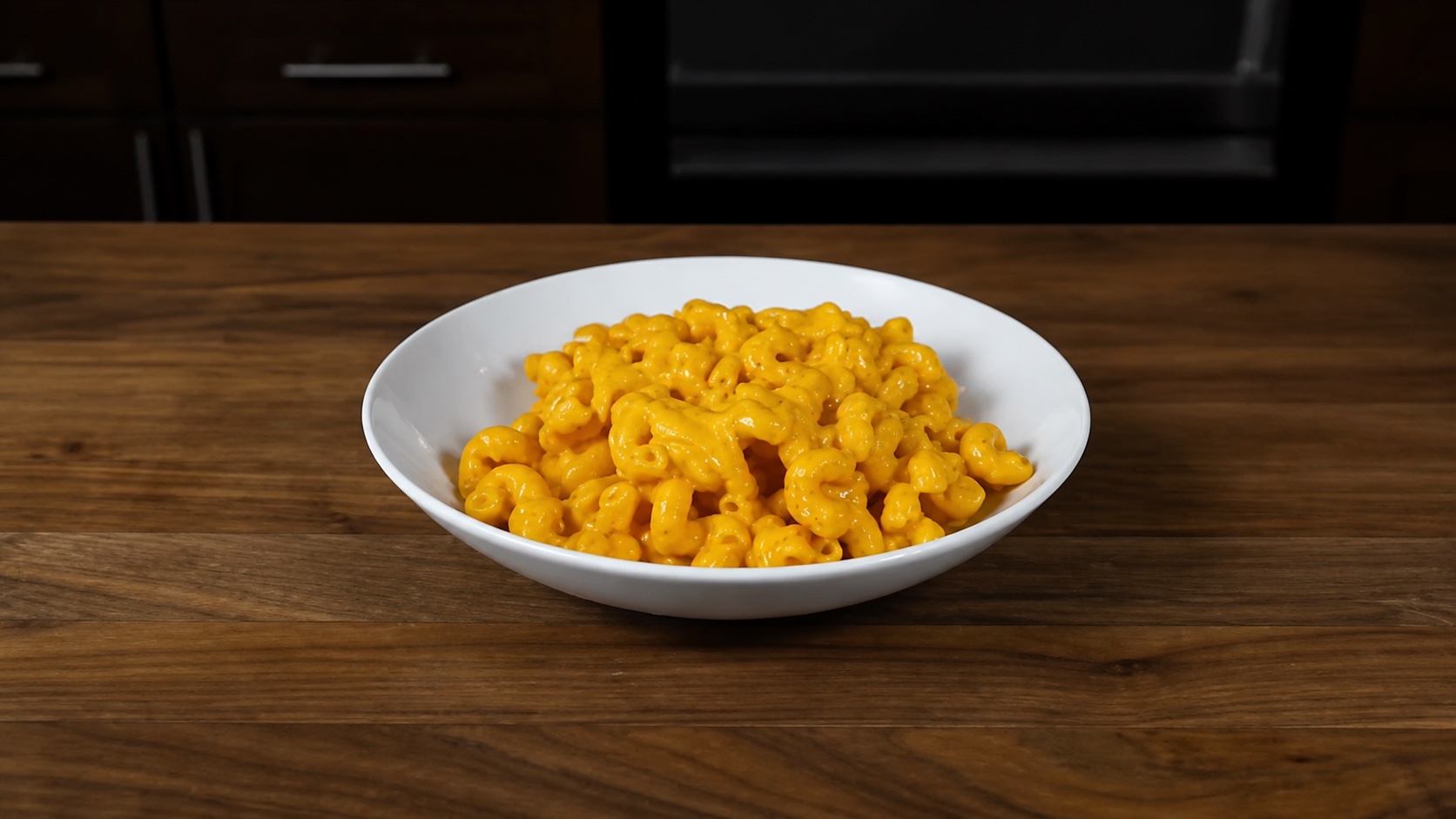
| Cooked aromatics and fat, with broth or cream still to come | Stir and cook the paste as directed, then add the liquid | One-Pan Golden Butter Chicken |
| Softened peppers, onion and chillies, before cream | Cook the paste into the vegetables until the recipe's colour cue is reached | Spicy Red Pepper Pasta Sauce |
| Softened, mashed tomatoes already forming a wet sauce | Stir the paste through that sauce | Tomato Parmesan Eggs |

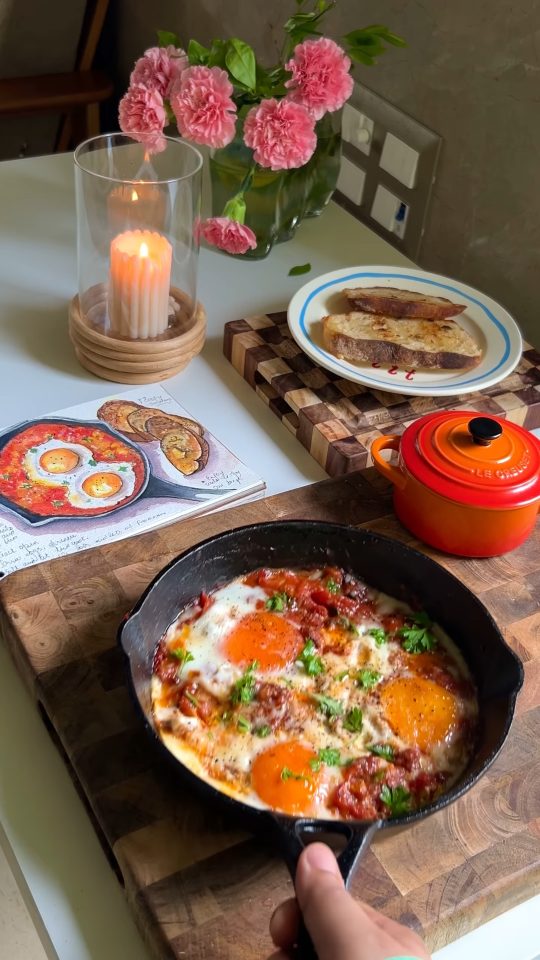
Tomato Parmesan Eggs stirs the paste straight into its mashed tomatoes; it never fries it separately.
Cooking it in fat
- Soften the aromatics or vegetables in the fat first.
- Add the paste, spreading it into an empty patch of the pan or through the vegetables, and keep stirring and scraping the bottom of the pan.
- Stop when it has darkened slightly, then add the liquid straight away.
Milk Street cooks the vegetables over medium-high until they soften and brown at the edges, then stirs in the paste until it darkens slightly, and puts that at about 5 to 7 minutes. The recipes here are quicker or vaguer: the butter chicken cooks the paste "briefly" and the red pepper sauce cooks it "until slightly caramelized". Go by the colour, and by your recipe where it gives a time.
Have the liquid measured before you start. If the paste starts catching, lower the heat and add the liquid before it burns.
One-Pan Golden Butter Chicken keeps the chicken in the pan: ginger and garlic go into an empty patch, then the paste into another, and it cooks briefly there before everything is stirred together and the broth and cream go in.
Stirring it into a sauce
Tomato Parmesan Eggs softens and mashes three or four large tomatoes, adds garlic, then stirs in two tablespoons of paste before the Parmesan and eggs. Those quantities belong to that recipe, rather than a rule for every tomato sauce. Stir until no streaks of paste are left, then add the cheese and eggs.
Spicy Red Pepper Pasta Sauce goes the other way: its two tablespoons cook into softened peppers, onion and chillies before the cream goes in. Once the sauce is made, the guide to finishing pasta in its sauce covers the last few minutes in the pan.
How much, and what a swap does
Use the recipe's amount first. For scale, two recipes here use 2 tablespoons: Tomato Parmesan Eggs, with 3 to 4 tomatoes and three eggs, and Spicy Red Pepper Pasta Sauce, with two roasted peppers and about a pint of cream for 1 lb (450 g) of pasta. When improvising, put in less than you think you need, mix it through and taste before adding more.
Paste adds tomato flavour with very little liquid; passata is mostly liquid. Swap one for the other and the volume of the sauce changes, not only the flavour.
If it goes wrong
| Problem | What to do |
|---|---|
| Dense streaks remain in a wet sauce | Keep stirring and mashing them into the liquid before adding more paste |
| Paste starts catching during the frying stage | Lower the heat and add the planned liquid before it burns |
| Tomato flavour dominates | Stop adding paste. Loosen with a splash of stock or water and taste again |
| A swap leaves too little sauce | Add liquid a splash at a time until the sauce is the volume you expect |