3 chicken dinners that do not taste the same
Last updated October 3, 2026
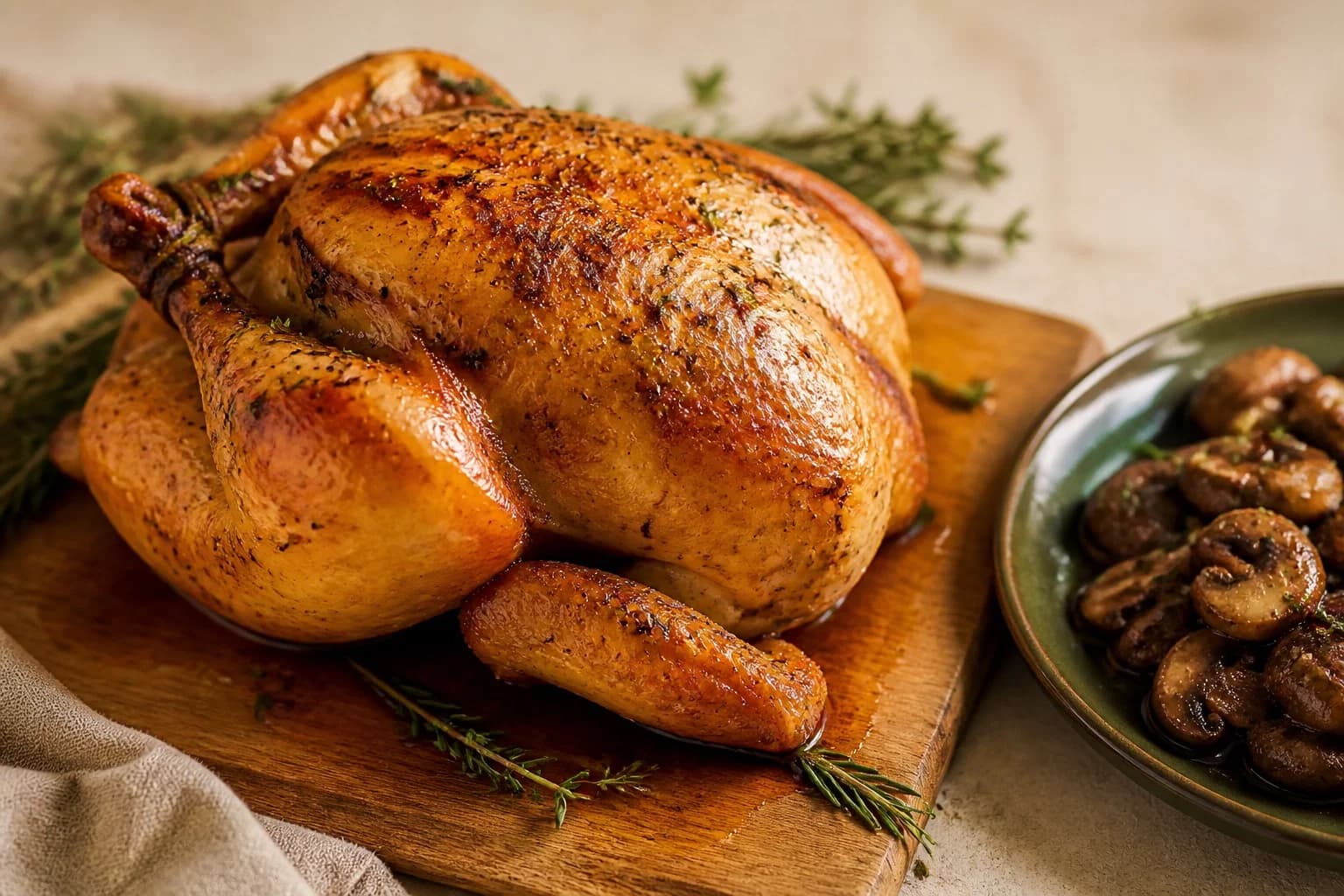
What is already in the fridge settles most of this: boneless thighs point to the butter chicken, breasts to the scallopini, and yesterday's roast carcass to the soup. They differ in cut, method and effort, so it is a real choice.
| Recipe | Starting point | Tastes of | Time | Serves | What it asks of you |
|---|---|---|---|---|---|
| Golden butter chicken | Boneless, skinless thighs | Warm spices, tomato and cream | 25 minutes | 4 | One pan for the curry, plus a pot if you cook rice |
| Chicken scallopini | Boneless, skinless breasts | White wine, lemon, mushroom and Parmesan butter | 30 minutes | 4 | Slicing, pounding and a butter sauce finished off the heat |
| Leftover chicken and mushroom soup | A roast chicken's carcass, meat and skin | Roast-chicken stock with dark-cooked onion and mushroom | 40 minutes | 4 | A leftover roast, a hand blender and the oven for the crostini |
Times and servings are the recipes' own.
1. One-pan golden butter chicken
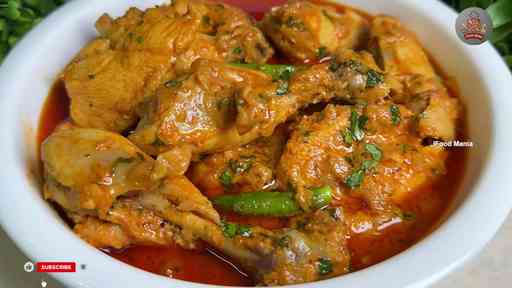
Boneless thighs sear and simmer quickly, and the whole sauce is built in the pan the chicken browned in, so the toasted spices (garam masala, smoked paprika, cumin, turmeric and cinnamon), ginger, garlic and tomato paste end up in the dish instead of on the pan floor. A cup of cream and a final chunk of cold butter, stirred in on low heat, give it its gloss.
Press the chicken into a single layer so it browns. The recipe then clears a patch of pan for the ginger and garlic and another for the tomato paste, which keeps each one in contact with the hot fat.
The recipe is served over basmati, which the creator cooks separately in a pot. Cucumber, herbs or a sharp salad suit the plate better than a second creamy side.
2. Chicken scallopini with mushroom pan sauce
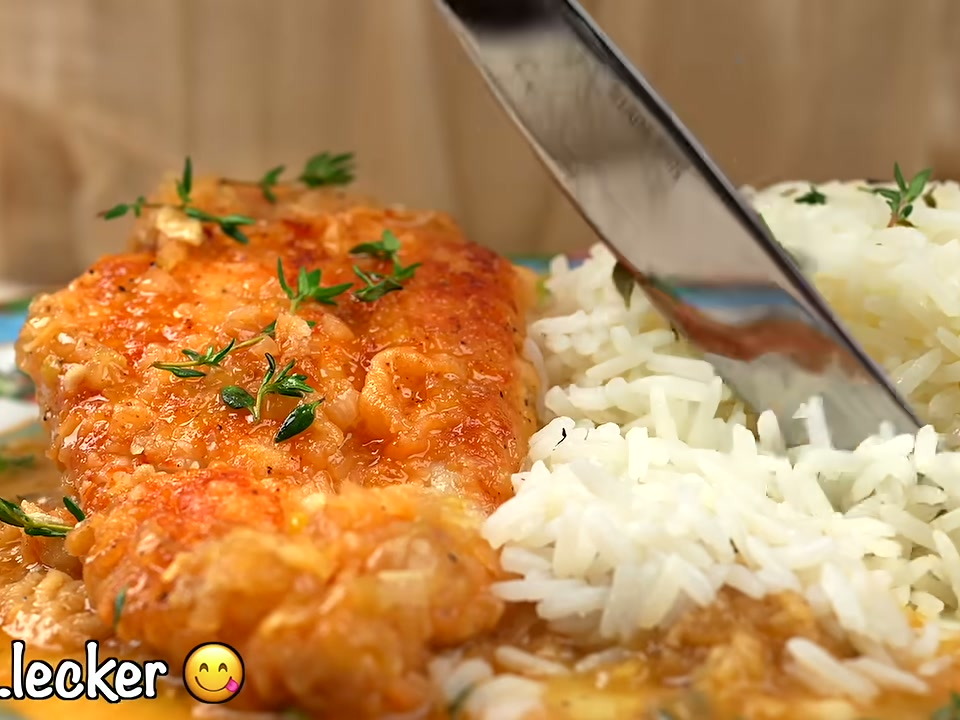
Each breast is halved widthwise, pounded thin and dredged in seasoned flour, so it cooks through in 3 to 4 minutes. The pan does the rest. The chicken comes out first, then the mushrooms brown hard in the same pan, shallot and garlic go in next, and the white wine is reduced until it is almost gone.
The sauce is where this dinner can go wrong. Take the pan off the heat before whisking in the cold butter and lemon, then stir in the Parmesan. For four servings the recipe uses 13 tablespoons of butter in total, 1 for the shallot and garlic and 12 for the sauce. Something green or sharp alongside cuts through the butter.
If the sauce splits, whisk in a splash of cold water off the heat, as the recipe says, and add more only if it still looks broken. How to stop a cream sauce splitting explains why emulsified sauces break.
3. Leftover chicken and mushroom soup
You need a roast chicken first, so decide on the soup before you carve. The carcass, bones, drippings and fat make the stock (the recipe starts with 1.5 litres of water and a sprig of rosemary), the reserved fat cooks the onion, garlic, celery and thyme until dark, and the meat and skin go on the crostini. It uses the whole roast: carcass, drippings and fat for the stock, meat and skin for the crostini.
After the vegetables and mushrooms are cooked down, a heaped tablespoon of flour goes in, then about a litre of the sieved stock, and everything simmers for 10 to 15 minutes. Blend it smooth or leave it coarse. The pulled meat is piled on bread, topped with crisp skin and baked at 180°C fan for 10 to 15 minutes, so this is the one dinner of the three that needs the oven.
If you roast the chicken yourself, how to get crispy roast chicken skin covers the skin that ends up on the crostini. Make the soup within 48 hours of the roast, or freeze the carcass and meat (the FSA's limit for leftovers, covered below).
Two close alternatives
If you have breasts but want less butter, lemon thyme skillet chicken breast cooks floured breasts in a pan and finishes the sauce with 2 tablespoons. If you want a curry on the bone, instant chicken curry simmers 1 kg of bone-in chicken for 20 minutes.
Handling and storing chicken
Whichever you cook, do not wash raw chicken, because splashing spreads bacteria. Keep it away from ready-to-eat food and wash your hands and equipment after handling it. Cook it until it is steaming hot all the way through, with no pink meat in the thickest part and clear juices. With a probe, 70°C for 2 minutes works, as does 75°C for 30 seconds; the Food Standards Agency (FSA) lists other combinations too.
Cooked chicken, including the roast behind the soup, goes in the fridge within one to two hours of cooking, and is eaten within 48 hours or frozen. Reheat it only once, until steaming hot throughout. The chicken page has more on the ingredient.