Loading recipes…
← Browse all ingredientsSee in What to cook →
Chestnut
2 recipes use this ingredient
Chestnut
| Nutrient | Per 100 g |
|---|---|
| Carbohydrate | 36.6 g |
| Protein | 2 g |
| Fibre | 4.1 g |
| Potassium | 500 mg |
| Vitamin E | 1.2 mg |
Not one of the UK's 14 regulated allergens — the regulated "Tree nuts" category lists almond, hazelnut, walnut, cashew, pecan, brazil nut, pistachio and macadamia, and chestnuts aren't on it. The choking-hazard guidance for whole nuts still applies regardless of allergen status.
How to serve Chestnut to babies
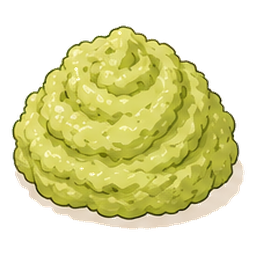
6–8 months
Mashed
Cook until soft and mash or crumble finely — never give a whole or chunked chestnut.
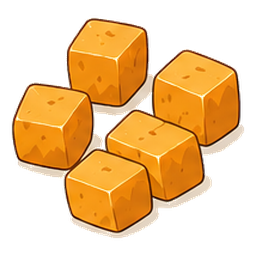
9–11 months
Bite-size pieces
Crumbled or chopped into small soft pieces mixed through a meal, never a whole nut.
12–24 months
Bite-size pieces
Chopped or crumbled with the family meal — whole chestnuts stay out until 5 years.
Per 100 g from CoFID (14-813). Not medical advice.
TCM benefits of Chestnut
栗子 · lì zi
How chestnut is seen in traditional Chinese food therapy. Traditional context, not medical advice.
- The Bencao Gangmu classes chestnut as salty and warm, while a survey of Cantonese soup plants records it as sweet and warm. Both agree on the warmth.
- Sun Simiao called the chestnut 'the fruit of the Kidney', and Li Shizhen lists it as fortifying the Stomach and the Kidney.
- Li Shizhen preferred chestnuts roasted in embers or stir-fried in oil over boiled or steamed ones, and wind-dried over sun-dried. He also said to chew them slowly.
- Raw chestnuts are said to be hard to digest and too many to hold up the Qi, so they are taken in moderation.
Sources: 本草綱目 (Compendium of Materia Medica), 果部, 栗; Plants traditionally used to make Cantonese slow-cooked soup in China (PMC)
Cooking with Chestnut
Pairs well with
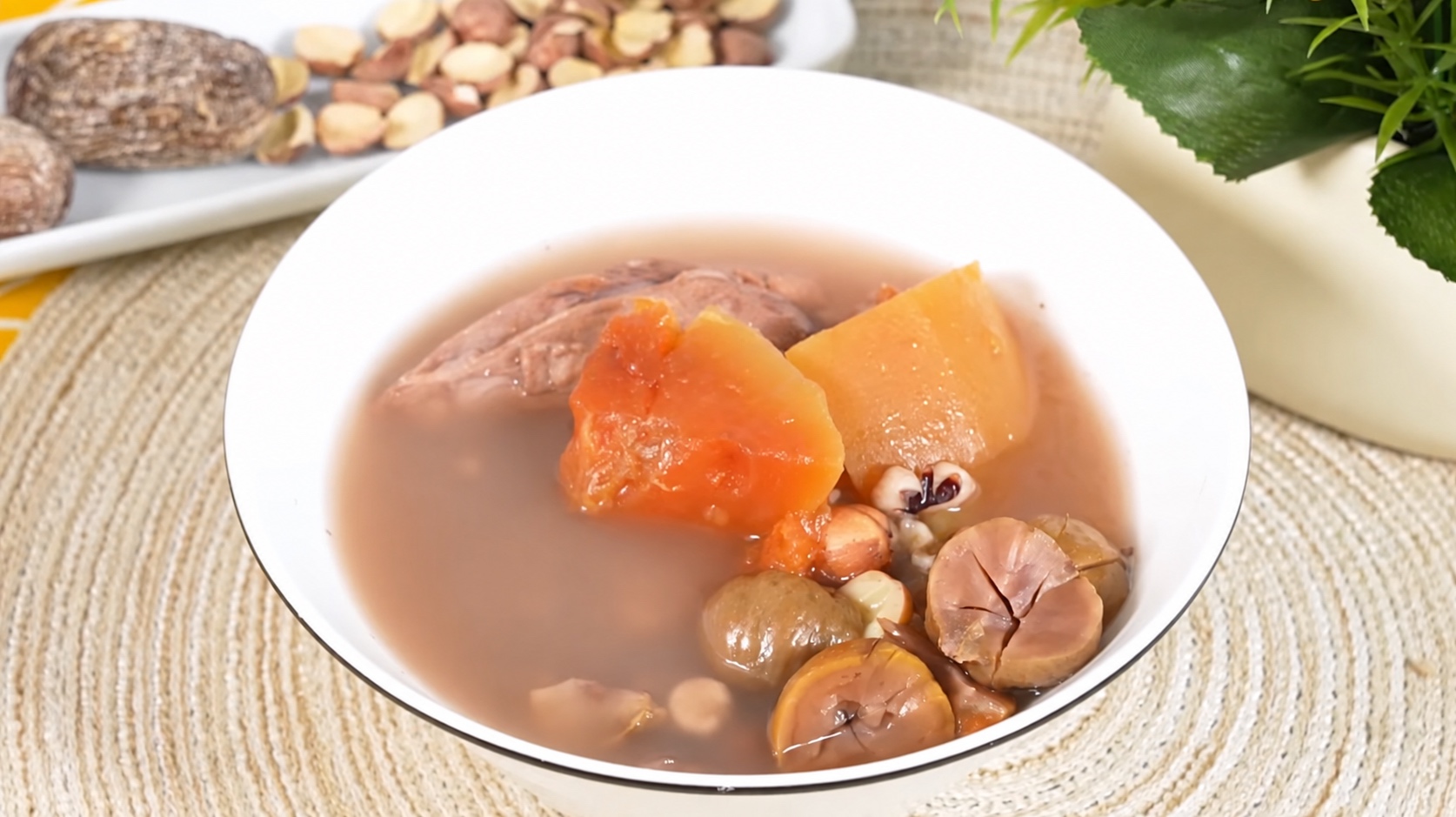
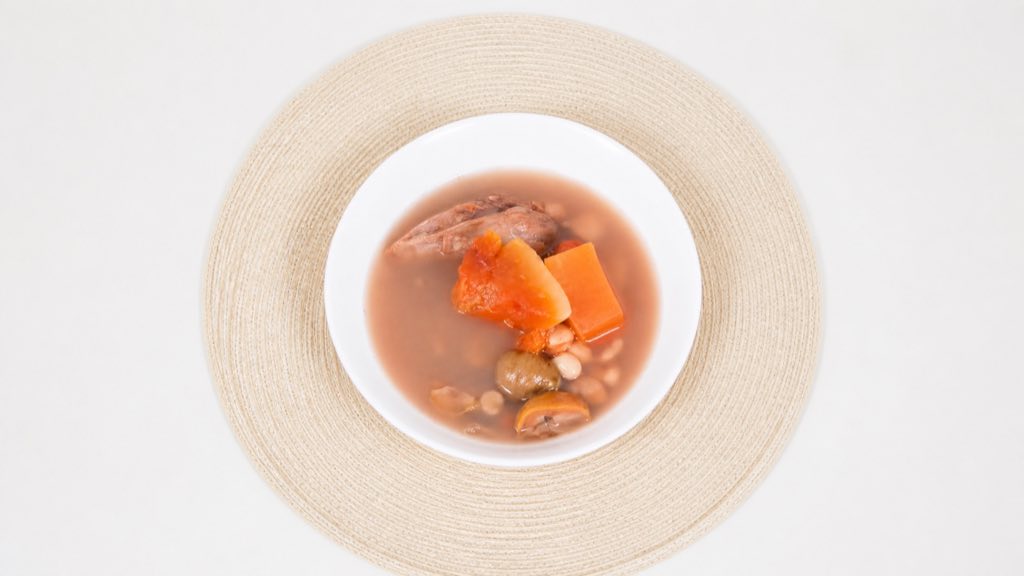
The ingredients that most often share a recipe with chestnut on Nourishible.
Recipes
Chestnut: common questions
Answers are drawn from the sources named on this page. Not medical or veterinary advice.
When can babies eat chestnut?
The earliest stage on this page is 6–8 months: Cook until soft and mash or crumble finely — never give a whole or chunked chestnut.
How do I cut and serve chestnut for my baby?
6–8 months (Mashed): Cook until soft and mash or crumble finely — never give a whole or chunked chestnut.
9–11 months (Bite-size pieces): Crumbled or chopped into small soft pieces mixed through a meal, never a whole nut.
12–24 months (Bite-size pieces): Chopped or crumbled with the family meal — whole chestnuts stay out until 5 years.