Loading recipes…
← Browse all ingredientsSee in What to cook →
Fig
2 recipes use this ingredient
Fig
| Nutrient | Per 100 g |
|---|---|
| Potassium | 200 mg |
| Calcium | 38 mg |
| Fibre | 1.5 g |
| Sugars | 9.5 g |
| Iron | 0.3 mg |
Not a common allergen. It is not on the UK list of 14 foods that must be declared on labels.
How to serve Fig to babies
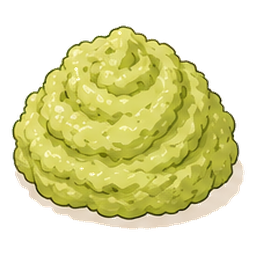
6–8 months
Mashed
Mash or blend soft ripe fig flesh to a texture your baby can manage, or offer it as a finger food. Dried figs: always cut into small pieces, never whole.
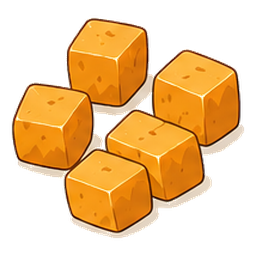
9–11 months
Bite-size pieces
Soft ripe pieces once your baby can pick things up between finger and thumb.
12–24 months
Bite-size pieces
With the family meal.
Per 100 g from CoFID (14-091). Weaning guidance from NHS. Not medical advice.
TCM benefits of Fig
無花果 · wú huā guǒ
How fig is seen in traditional Chinese food therapy. Traditional context, not medical advice.
- A survey of Cantonese slow-cooked soups classes fig as sweet and neutral, so it sits with the gentle ingredients rather than the strongly warming or cooling ones.
- Fig turns up in the survey in a pork and tripe soup with peanuts and ginger.
- Cooks simmer dried figs whole so the fruit sweetens the broth, which is why many fig soups need no added sugar.
Sources: Plants traditionally used to make Cantonese slow-cooked soup in China (PMC)
Recipes
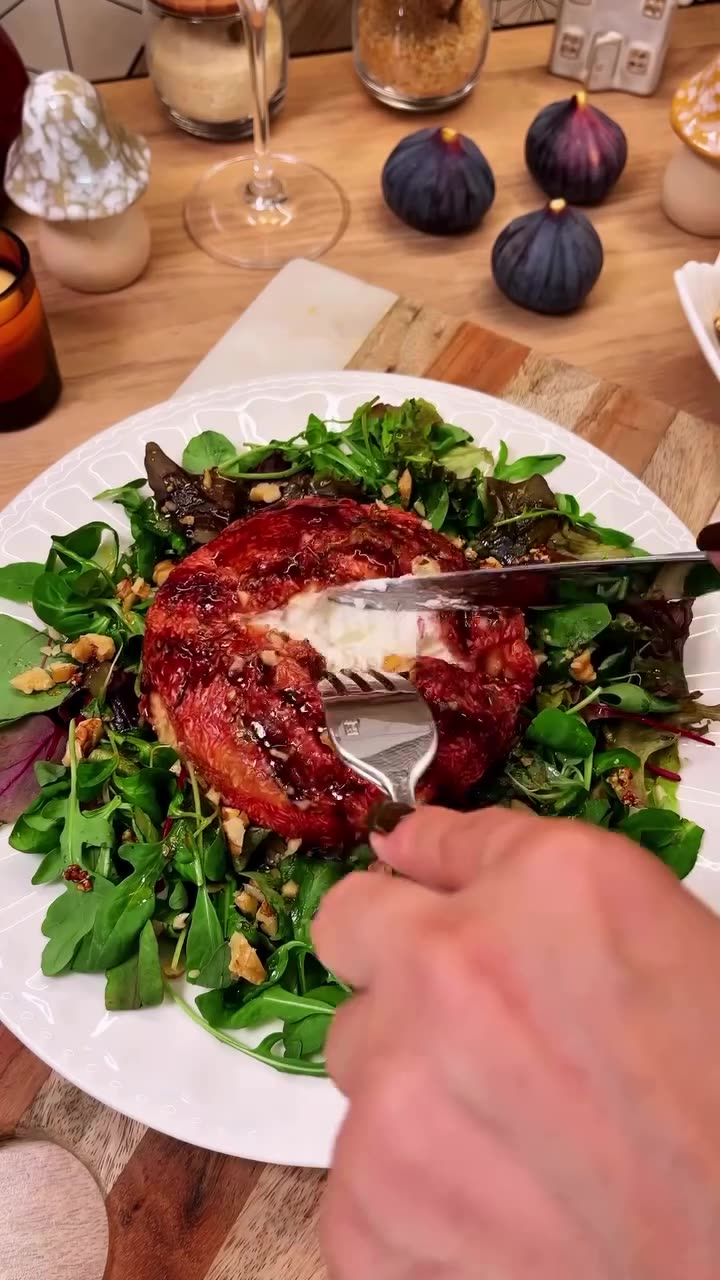
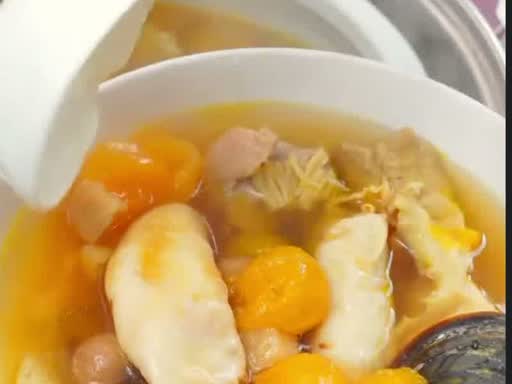
Fig: common questions
Answers are drawn from the sources named on this page. Not medical or veterinary advice.
When can babies eat fig?
The earliest stage on this page is 6–8 months: Mash or blend soft ripe fig flesh to a texture your baby can manage, or offer it as a finger food. Dried figs: always cut into small pieces, never whole.
How do I cut and serve fig for my baby?
6–8 months (Mashed): Mash or blend soft ripe fig flesh to a texture your baby can manage, or offer it as a finger food. Dried figs: always cut into small pieces, never whole.
9–11 months (Bite-size pieces): Soft ripe pieces once your baby can pick things up between finger and thumb.
12–24 months (Bite-size pieces): With the family meal.